
Blog
Thyme Cultivation: From Farm to Harvest

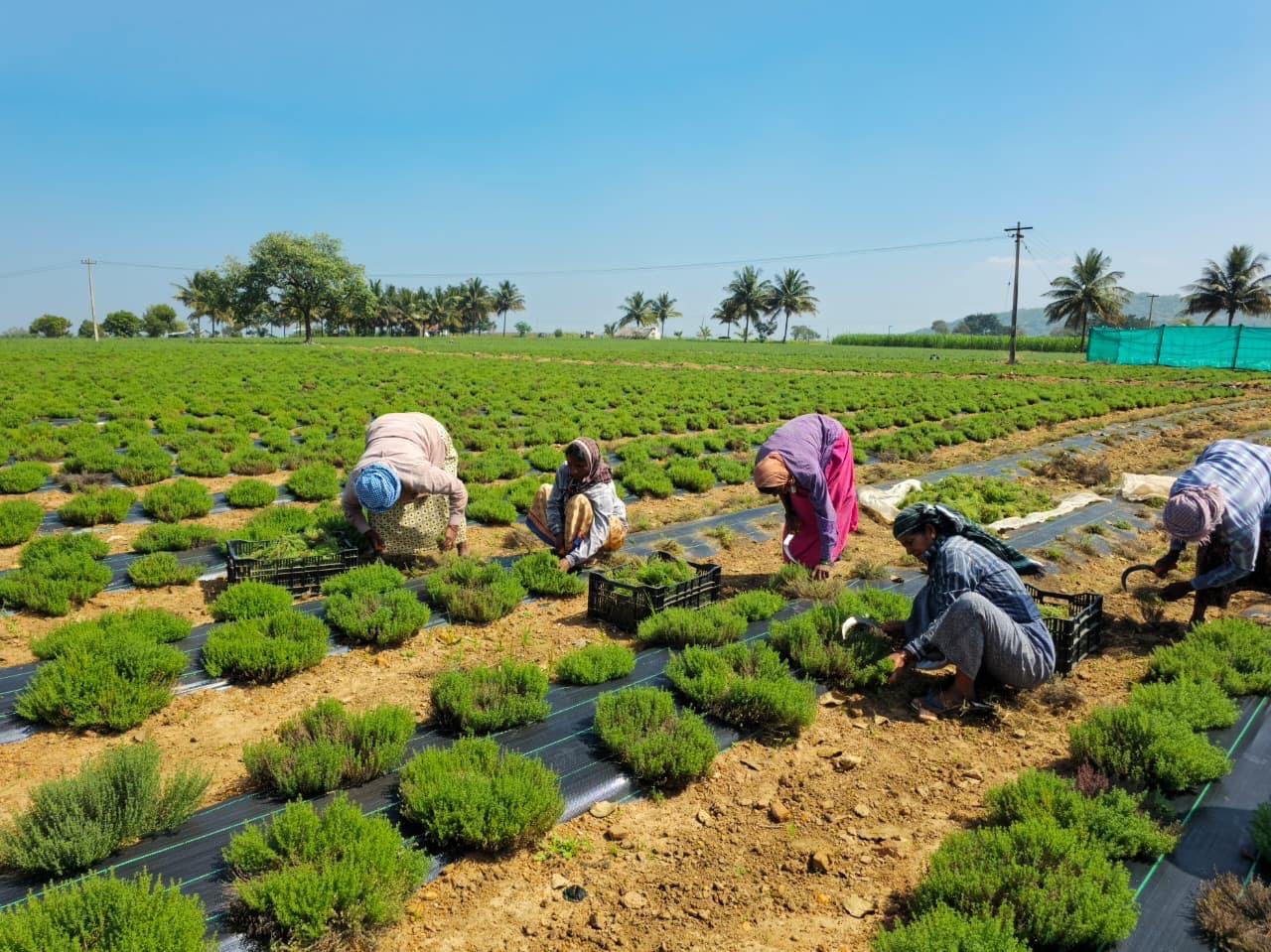
Practical Cultivation Knowledge Built on Real Farming Experience
At Swastik Natural Oils, thyme cultivation is more than simply growing a crop—it’s about understanding how every stage, from soil preparation to harvest timing, influences the final quality of the herb. Our thyme is cultivated on the same farm as our rosemary plantation, allowing us to apply years of experience managing aromatic herbs under similar growing conditions.
Whether supplying fresh thyme, dried thyme, or supporting growers through saplings and cultivation consultancy, we believe that consistent quality begins long before harvesting.
Introduction
Commercial thyme cultivation requires careful planning, continuous crop management, and timely harvesting. Factors such as climate, soil conditions, irrigation practices, and post-harvest handling all contribute to the quality expected by food manufacturers, herbal companies, and commercial buyers.
Unlike businesses that simply trade agricultural produce, our involvement begins in the field. By cultivating thyme ourselves and working closely with nearby growers, we gain first-hand insight into the seasonal factors that influence crop performance and commercial quality.
This practical experience allows us to make informed decisions throughout cultivation while supporting businesses looking for reliable thyme supply and growers interested in establishing successful thyme plantations.
Key Takeaways
Swastik Natural Oils cultivates thyme on its own farm while also supporting commercial growers through sapling supply and cultivation consultancy.
Commercial thyme cultivation begins with healthy planting material and suitable growing conditions.
Crop management throughout the season influences aroma, colour, and leaf quality.
Harvest timing plays a significant role in determining commercial value.
Practical farming experience supports better quality management and consistent supply.
Why Cultivation Matters
The quality of thyme is determined long before it reaches the processing stage. Healthy plant growth, balanced nutrition, irrigation management, and appropriate harvest timing all influence the aroma, appearance, and consistency of the final product.
For commercial buyers, understanding cultivation practices provides valuable insight into why thyme from different sources may vary in quality. A supplier directly involved in farming is often better positioned to maintain consistency because they understand the conditions under which the crop is grown rather than relying solely on purchased inventory.
Growing Thyme at Swastik Natural Oils
Our thyme is cultivated alongside our rosemary plantation, allowing us to apply practical knowledge gained from managing aromatic herbs under similar climatic conditions.
We focus on maintaining healthy crop growth through careful field management while also working with trusted growers in the surrounding region to support consistent commercial supply. This combination of direct cultivation and local partnerships enables us to better understand seasonal variations and maintain close involvement throughout the growing cycle.
Thyme shares several growing characteristics with rosemary. If you’re interested in another aromatic herb cultivated on our farm, explore our Rosemary in India guide to learn more about its cultivation, commercial applications, and quality considerations.
From Planting to Harvest
Successful thyme cultivation follows a continuous cycle rather than a single growing event.
The process generally includes:
- Site preparation
- Planting healthy saplings
- Irrigation management
- Weed control
- Crop monitoring
- Harvest planning
- Careful harvesting
- Post-harvest handling
Each stage contributes to producing thyme suitable for commercial applications while helping maintain consistency from one harvest to the next.
Why Farming Experience Matters
Commercial herb cultivation requires continuous observation rather than fixed routines.
Weather conditions, plant maturity, irrigation requirements, and seasonal variations influence every harvest. Understanding these variables helps growers make informed decisions that improve both crop health and commercial quality.
This practical field experience also benefits our customers, as it allows us to better explain seasonal variations, harvest schedules, and supply planning throughout the year.
Looking to source cultivated thyme directly from the farm? Visit our Bulk Thyme Supplier in India page to learn more about our commercial supply capabilities, monthly production, and processing standards.
Swastik Farm Snapshot
Our thyme plantation forms part of a broader aromatic herb cultivation program that also includes rosemary. Managing both crops provides valuable practical experience in cultivating herbs where aroma, essential oil content, and harvest timing play an important role in commercial quality.
Along with cultivation, we also provide thyme saplings and cultivation consultancy for growers interested in establishing commercial plantations, helping share practical knowledge gained through our own farming experience.
Swastik Insight
Many people believe the quality of thyme depends primarily on the variety grown. In practice, cultivation techniques, harvest timing, and post-harvest handling often have an equally significant influence on the final product.
A healthy crop grown under suitable conditions and harvested at the right stage consistently produces better commercial results than simply selecting a particular variety.
“Cultivating aromatic herbs teaches patience more than anything else. Every season brings different weather conditions and every field responds differently. Good farming isn’t about following the same routine every year—it’s about understanding the crop, observing the field closely, and making timely decisions that support healthy growth and consistent quality.”
Choosing the Right Growing Conditions
Successful thyme cultivation begins with creating an environment where the crop can develop healthy foliage, strong aroma, and consistent growth. While thyme is considered a hardy herb, achieving commercial-quality production requires careful attention to several environmental factors throughout the growing season.
Healthy crop establishment depends on the combined influence of climate, soil conditions, irrigation practices, and overall field management rather than any single factor. Maintaining balance across these variables supports vigorous plant growth and helps improve the consistency of future harvests.
Because growing conditions vary from region to region, cultivation practices are often adapted based on local weather patterns, soil characteristics, and seasonal observations.
Establishing a Healthy Crop
The early stages of cultivation often determine the long-term productivity of a thyme plantation. Healthy planting material, proper spacing, and careful establishment help the crop develop a strong root system and uniform canopy.
Once established, regular monitoring allows growers to identify issues early and maintain steady crop development throughout the season. Consistent crop management also contributes to better harvest quality and more predictable commercial yields over time.
Rather than relying on fixed routines, experienced growers continually observe plant growth and adjust field practices according to seasonal conditions.
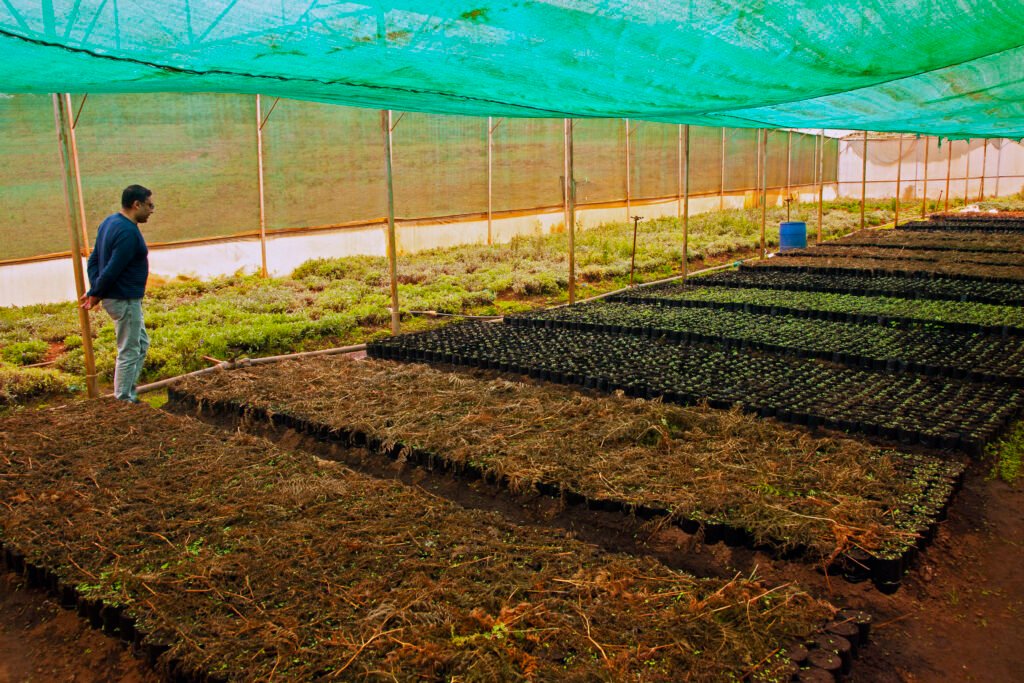
Irrigation and Crop Management
Maintaining appropriate soil moisture is an important aspect of thyme cultivation. While thyme is relatively tolerant compared to many crops, irrigation practices still influence plant growth, foliage development, and overall crop health.
Commercial cultivation focuses on providing adequate moisture while avoiding prolonged waterlogging or unnecessary stress. Regular field observations help determine irrigation requirements based on weather conditions, soil characteristics, and crop stage.
Along with irrigation, routine crop management—including weed control, field sanitation, and periodic monitoring—helps maintain healthy plant development throughout the growing cycle.
Harvest Timing and Quality
Harvest timing is one of the most important decisions in commercial thyme cultivation.
The stage at which thyme is harvested influences several characteristics valued by commercial buyers, including aroma, leaf quality, colour, and overall consistency. Harvesting too early or too late may affect the commercial suitability of the crop depending on its intended application.
Rather than following fixed calendar dates, harvesting decisions are generally based on crop maturity, seasonal conditions, and field observations. This flexible approach helps maintain more consistent quality across successive harvests.
Post-Harvest Handling
The period immediately following harvest plays an important role in preserving the quality achieved during cultivation.
Careful handling helps minimise unnecessary leaf damage, contamination, and quality loss before the crop reaches processing or packaging. Depending on customer requirements, thyme may be prepared for fresh supply or transferred for further drying and processing.
Efficient post-harvest handling supports better product consistency while helping preserve the herb’s natural aroma and appearance.
Learn how harvested thyme is prepared for commercial supply on our Fresh Thyme Supplier and Dried Thyme Supplier pages, where we discuss handling, drying, packaging, and storage in greater detail.
Challenges in Commercial Thyme Cultivation
Like all agricultural crops, thyme cultivation is influenced by changing weather conditions, seasonal variations, and routine farm management challenges.
Commercial growers continuously monitor crop health, field conditions, and plant development to maintain healthy growth and consistent production. Timely observation allows issues to be addressed before they significantly affect crop quality or harvest planning.
Successful cultivation is therefore based not only on planting a crop but also on making informed management decisions throughout the growing season.
Supporting New Growers
Commercial thyme cultivation continues to gain interest among growers looking to diversify into aromatic herbs. However, establishing a successful plantation requires practical planning and an understanding of the crop’s growth cycle.
At Swastik Natural Oils, we support growers by supplying healthy thyme saplings and sharing practical cultivation guidance based on our own farming experience. Whether you are starting a new plantation or expanding an existing one, our goal is to help growers build healthy crops that can support long-term commercial production.
Swastik Insight
Commercial cultivation is not about producing the largest harvest—it is about producing a crop that delivers consistent quality from season to season.
Careful field management, timely harvesting, and close observation throughout the growing cycle often contribute more to long-term commercial success than short-term production volumes alone.
Our Approach to Thyme Cultivation
At Swastik Natural Oils, thyme cultivation is built on the belief that consistent quality begins in the field. Every stage—from selecting healthy planting material and monitoring crop development to harvesting and post-harvest handling—is approached with long-term quality in mind rather than simply maximizing production.
Our thyme is cultivated on the same farm as our rosemary plantation, allowing us to apply years of practical experience in managing aromatic herbs under similar climatic conditions. Working with these crops every day has given us a deeper understanding of how cultivation practices influence aroma, leaf quality, and overall commercial performance.
Alongside our own cultivation, we collaborate with trusted growers in the surrounding region who follow similar quality-focused practices. This combination helps us maintain reliable supply while remaining closely connected to every stage of production.
📍 Our Farm
Supporting Commercial Thyme Cultivation
Our involvement extends beyond growing and supplying thyme.
We also work with growers, entrepreneurs, and businesses interested in establishing commercial thyme plantations by providing:
- Healthy thyme saplings
- Practical cultivation guidance
- Farm planning support
- General crop management recommendations
- Insights based on our own cultivation experience
Every farm is different, and successful cultivation depends on understanding local conditions as much as following good agricultural practices. Our goal is to share practical knowledge that helps growers build healthy, productive plantations over the long term.
Built on Practical Farming Experience
Many businesses enter the herb industry as traders. Our journey has always been closely connected to cultivation.
Managing thyme alongside our rosemary plantation has allowed us to better understand aromatic herbs through day-to-day farming rather than observation alone. Seasonal weather, irrigation management, harvest timing, and post-harvest handling all influence the final quality supplied to commercial buyers.
This practical experience enables us to speak not only as suppliers, but also as growers who understand the challenges and opportunities involved in cultivating aromatic herbs successfully.
Interested in another aromatic crop grown on our farm? Explore our Rosemary in India guide to learn about rosemary cultivation, harvesting, and commercial applications.
Why Businesses Work With Swastik Natural Oils
Commercial buyers often look beyond product availability when selecting a long-term supplier.
Businesses choose to work with Swastik Natural Oils because we offer:
- Own commercial thyme cultivation
- Practical experience managing aromatic herb crops
- Network of trusted local growers
- Consistent monthly supply capability
- Fresh and dried thyme availability
- Bulk commercial supply
- Thyme sapling supply
- Cultivation consultancy
- Transparent communication throughout the procurement process
Rather than simply supplying herbs, we aim to build long-term relationships based on consistency, reliability, and practical agricultural knowledge.
Frequently Asked Questions
Yes. We cultivate thyme on our own farm, where it is grown alongside our rosemary plantation. This allows us to closely monitor crop development, harvesting schedules, and overall quality while gaining practical experience in managing aromatic herbs under similar growing conditions.
Our own farm forms the foundation of our supply. To meet larger commercial requirements, we also work with a trusted network of nearby growers who follow similar cultivation practices and quality expectations. This approach helps us maintain both consistency and dependable supply.
Yes. We can supply you thyme throughout the year.
For serious commercial enquiries, farm visits may be arranged by prior appointment. We believe that allowing customers to understand how our crops are cultivated helps build long-term trust and transparency.
Yes. We supply healthy thyme saplings, subject to seasonal availability. These are suitable for growers, nurseries, and businesses planning to establish or expand commercial thyme cultivation.
Yes. We currently have the capacity to supply approximately 5 tonnes of fresh thyme and 1–2 tonnes of dried thyme per month, depending on harvest schedules and seasonal conditions. We welcome discussions regarding recurring procurement and long-term commercial partnerships
Get in Touch
Whether you’re looking to source premium thyme, establish a commercial plantation, or discuss long-term procurement, we’d be happy to hear from you.
Swastik Natural Oils
📞 Phone: +91 7397611360 | 9443342527
✉️ Email: swastikooty@gmail.com
📍 Office: Ooty, Tamil Nadu, India
We welcome enquiries from food manufacturers, herbal brands, distributors, growers, and businesses looking for a reliable partner in commercial thyme cultivation and supply.

3 thoughts on “Thyme Cultivation: From Farm to Harvest”