
Blog
Premium Rosemary Leaves – Fresh & Dried Supply from Our Farm

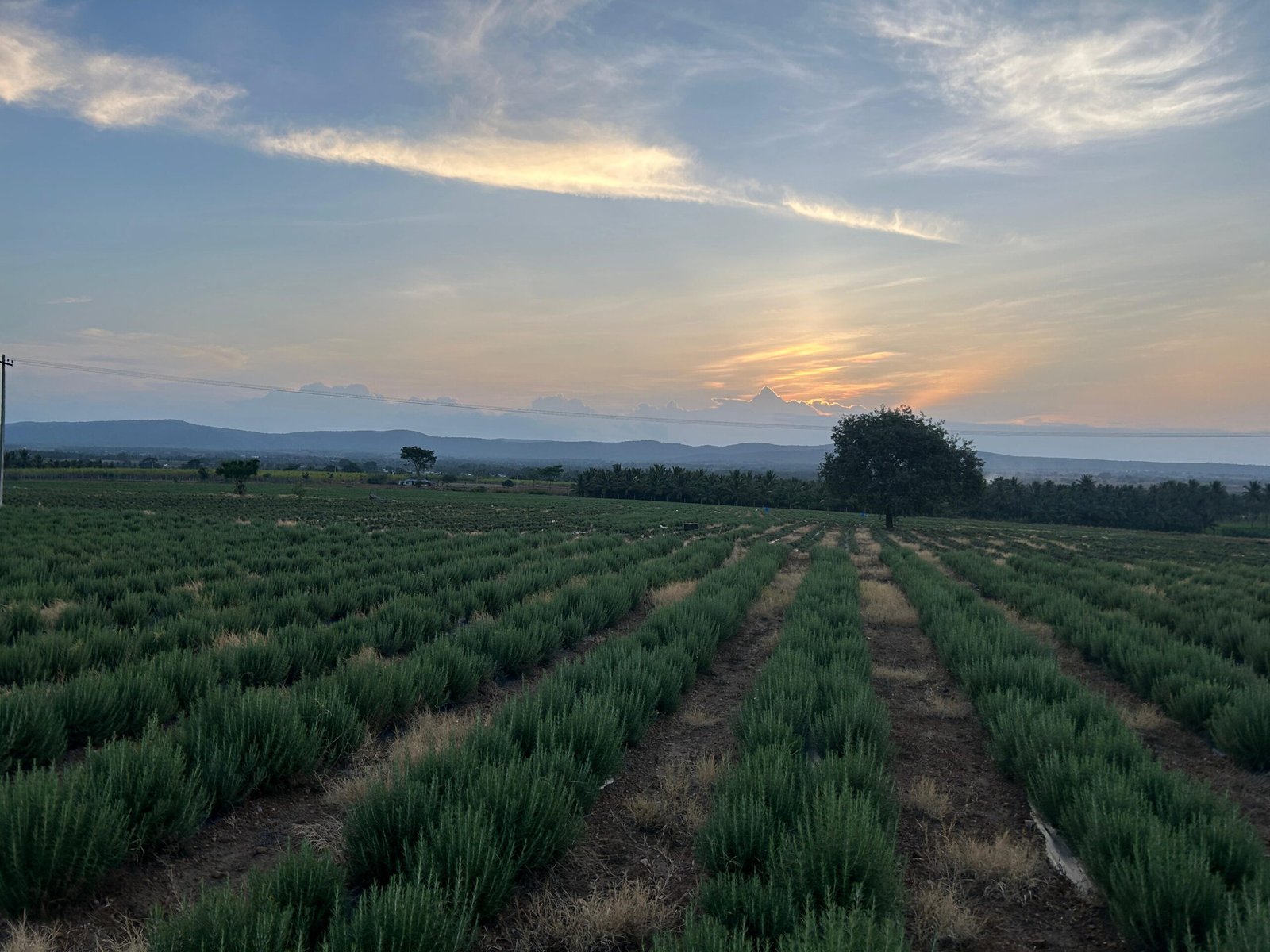
Farm-Grown Rosemary Leaves for Commercial Buyers Across India
At Swastik Natural Oils, rosemary leaves are more than just an agricultural product—they are the result of careful cultivation, timely harvesting, and practical farming experience developed over years of growing aromatic herbs.
Cultivated on our farm in Talavady, Tamil Nadu, our rosemary is grown with a strong focus on consistency and commercial quality. From supplying fresh rosemary leaves to dried rosemary leaves for food manufacturers, herbal businesses, spice companies, and wellness brands, our objective is to provide dependable supply backed by first-hand cultivation experience.
Whether you’re looking to buy rosemary leaves in bulk, source fresh rosemary for culinary applications, or procure dried rosemary for food production, our farm-first approach ensures that quality begins long before the product reaches your business.
Rosemary Leaves: More Than Just an Aromatic Herb
Known botanically as Rosmarinus officinalis, rosemary is one of the world’s most recognised Mediterranean herbs and has become an important ingredient across the food, herbal, cosmetic, and wellness industries.
Its distinctive aroma, needle-like leaves, and versatility make it suitable for a wide range of commercial applications—from seasoning blends and processed foods to herbal products and botanical formulations.
However, not all rosemary leaves are the same.
The quality of rosemary depends on factors such as cultivation practices, harvest timing, handling, and post-harvest preparation. These factors influence the appearance, aroma, and consistency that commercial buyers expect when sourcing rosemary in bulk.
At Swastik Natural Oils, our understanding of rosemary begins in the field. Every harvest is planned with the objective of producing rosemary leaves suitable for long-term commercial use rather than simply maximising production.
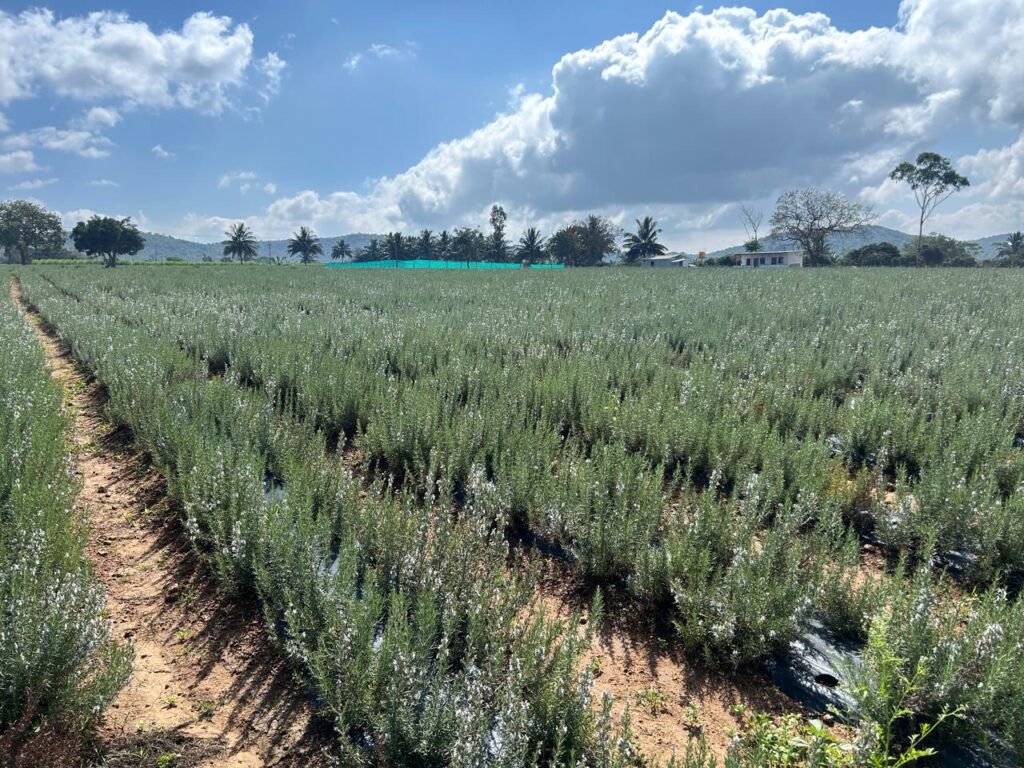
Fresh vs Dried Rosemary Leaves
Commercial buyers often ask whether fresh or dried rosemary is the better choice.
The answer depends entirely on the intended application.
| Fresh Rosemary Leaves | Dried Rosemary Leaves |
|---|---|
| Preferred for culinary preparations, restaurants, and fresh herb applications | Preferred for food manufacturing, seasoning blends, herbal products, and longer storage |
| Highly aromatic immediately after harvest | Convenient for long-term inventory management |
| Requires timely transportation and handling | Easier to transport and store |
| Commonly supplied to HoReCa and fresh produce distributors | Widely used by food processors, spice companies, and herbal brands |
At Swastik Natural Oils, we supply both fresh and dried rosemary leaves, allowing customers to choose the format that best suits their operational requirements.
Looking for a specific product? Explore our Fresh Rosemary Supplier and Dried Rosemary Supplier pages to learn more about each option.
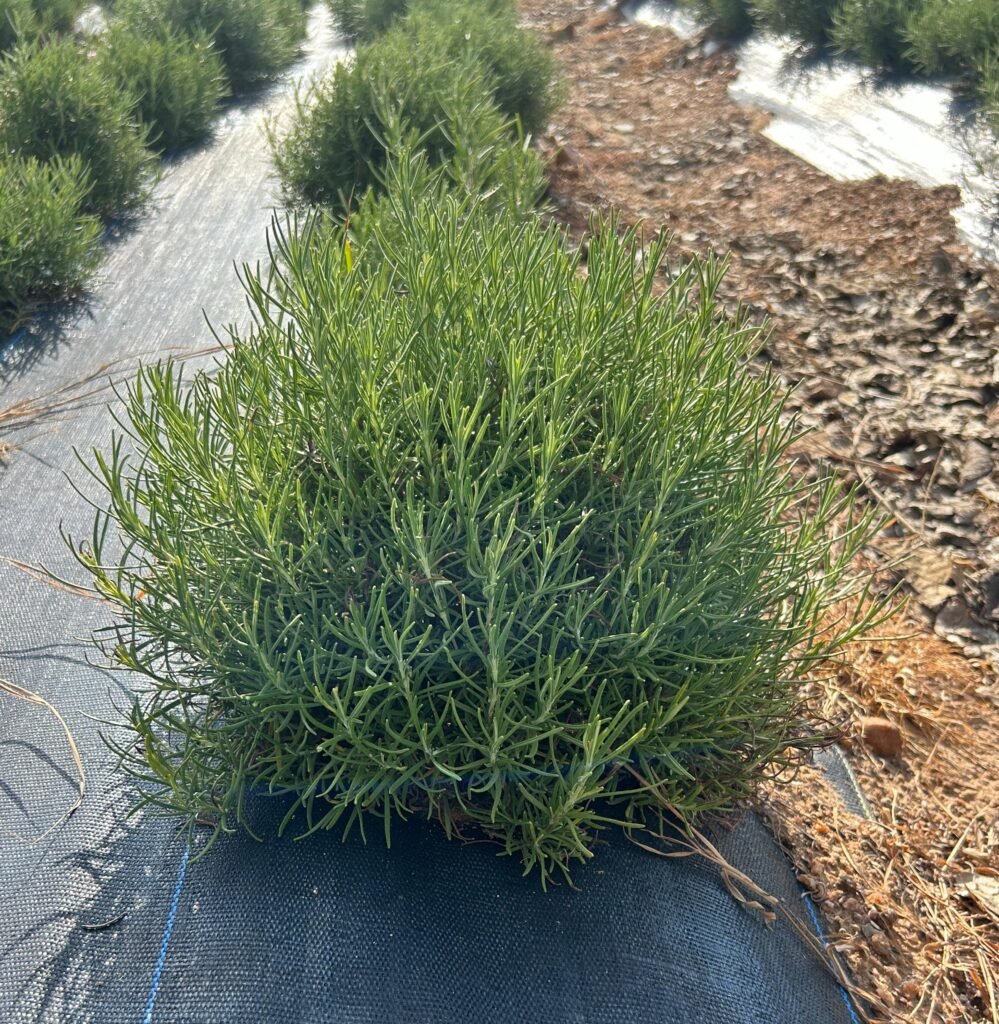
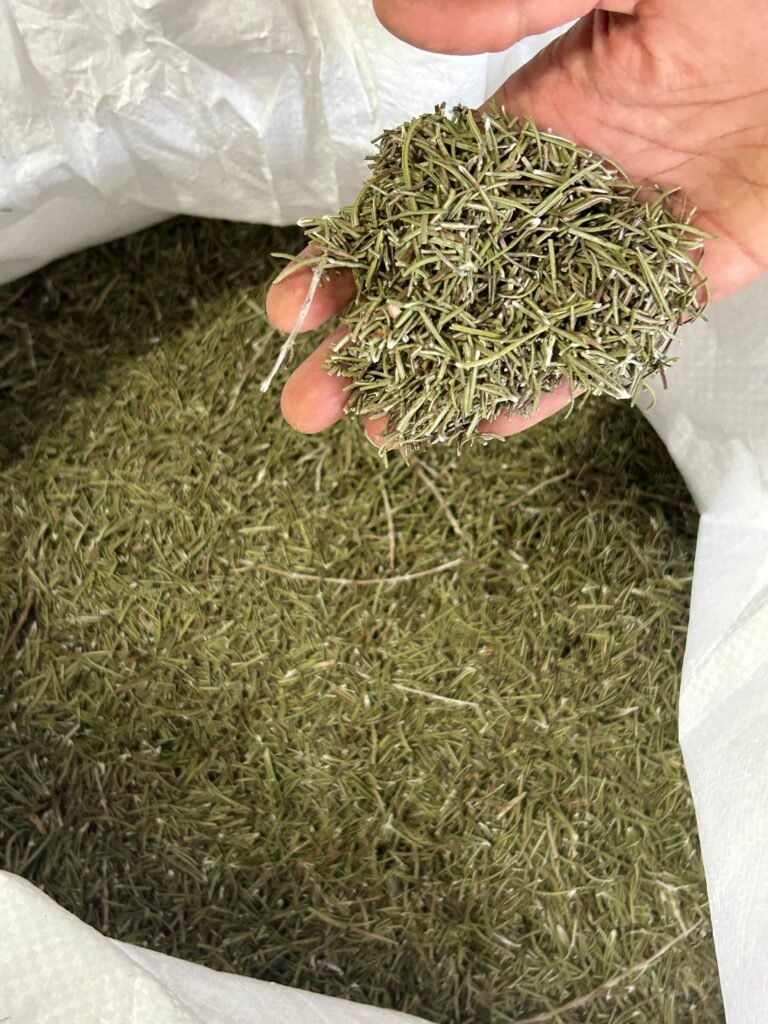
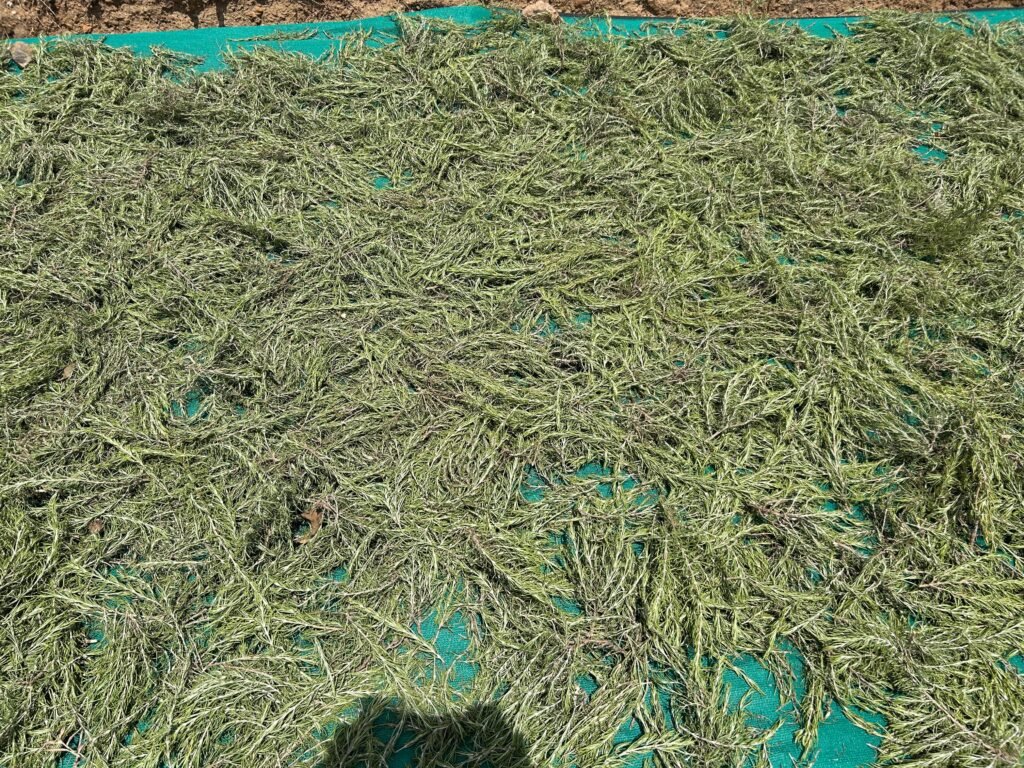
From Our Farm to Your Business
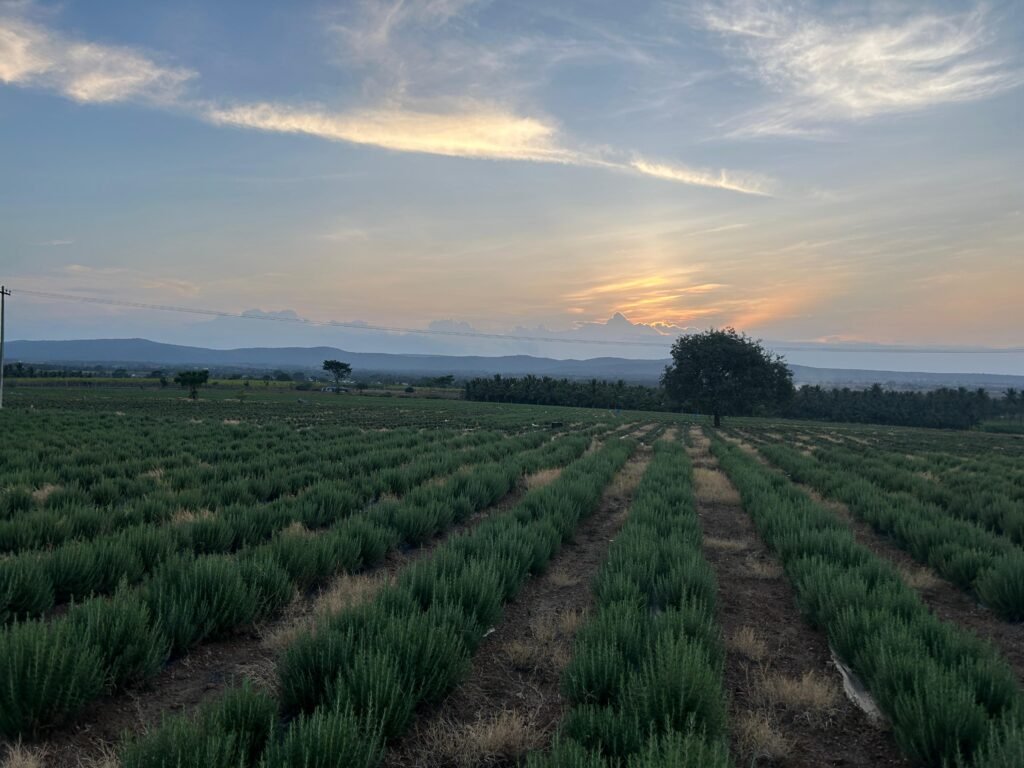
Unlike suppliers who source rosemary entirely through open market procurement, our journey begins on our own farm in Talavady, Tamil Nadu.
Growing rosemary ourselves provides us with a practical understanding of the crop throughout its lifecycle—from cultivation and irrigation to harvesting and commercial supply. This direct involvement allows us to remain closely connected to product quality rather than relying solely on third-party sourcing.
To support larger commercial requirements, we also work with a carefully selected network of nearby growers who follow similar cultivation standards and quality expectations.
This integrated approach helps us maintain dependable supply while preserving the consistency that commercial buyers value.
Learn more about our cultivation practices in our Ultimate Guide to Rosemary in India, where we share practical insights from growing rosemary on our farm.
Swastik Farm Snapshot
| Information | Details |
|---|---|
| Farm Location | Talavady, Tamil Nadu |
| Botanical Name | Rosmarinus officinalis |
| Annual Production Capacity | 270–400 tonnes |
| Farm Area | 30 + Acres |
| Plants Under Cultivation | 250000+ |
| Fresh Rosemary Supply | 20+ tonnes/month |
| Dried Rosemary Supply | 5 – 10 tonnes/month |
| Industries Served | Food • Herbal • Wellness • Cosmetics • Essential Oils |
| Additional Services | Bulk Supply • Saplings • Cultivation Consultancy |
Why Commercial Buyers Source Rosemary Leaves from Swastik
Businesses sourcing rosemary leaves look beyond appearance alone. They require confidence that their supplier understands cultivation, can maintain consistency, and is capable of supporting long-term procurement.
At Swastik Natural Oils, our involvement begins with cultivation rather than trading. By remaining closely connected to our farm and our grower network, we gain a better understanding of crop quality, harvest planning, and seasonal availability.
This practical farming experience allows us to support customers with reliable supply, transparent communication, and a long-term approach to commercial relationships.
One of the biggest misconceptions in the rosemary industry is that quality can be judged simply by colour or appearance.
In reality, consistently high-quality rosemary leaves are the result of careful cultivation, timely harvesting, and responsible handling throughout the supply chain. These are the factors we focus on every day in our fields at Talavady.
How Are Premium Rosemary Leaves Produced?
Commercial buyers often compare rosemary leaves based on colour or price alone. However, experienced buyers know that premium rosemary is built over an entire growing season rather than during the final stages of packing.
Every batch begins months before harvest. Factors such as planting density, irrigation scheduling, nutrient management, climatic conditions, harvest timing, and post-harvest handling all influence the consistency of the final product.
At Swastik Natural Oils, our approach begins in the field. Because we cultivate rosemary ourselves, every harvest gives us valuable observations that help improve future production. Rather than relying solely on market procurement, we remain directly involved throughout the crop cycle, allowing us to maintain better visibility over quality and seasonal production.
Unlike many commercial herbs that pass through multiple intermediaries before reaching a buyer, our objective is to keep the supply chain as closely connected to cultivation as possible.
Why Do Rosemary Leaves Differ Between Suppliers?
One question we are frequently asked is:
“Why do rosemary leaves from different suppliers look so different?”
The answer is that rosemary is an agricultural crop, not a manufactured product.
Although every supplier may sell “rosemary leaves,” the final product reflects hundreds of farming decisions made throughout the season.
Some of the factors that influence commercial quality include:
| Factor | Influence on Product |
|---|---|
| Variety grown | Leaf size, aroma and commercial suitability |
| Climate | Overall crop development and consistency |
| Harvest timing | Influences maturity and appearance |
| Handling after harvest | Helps preserve leaf integrity |
| Drying approach (for dried rosemary) | Affects appearance, aroma and storage stability |
| Storage conditions | Supports consistency before dispatch |
For this reason, experienced commercial buyers rarely evaluate rosemary using a single parameter. Instead, they consider the overall consistency of the supplier across multiple deliveries.
What Makes Commercial Rosemary Different from Retail Rosemary?
Many people searching for “rosemary leaves” are familiar with the small retail jars available in supermarkets.
Commercial procurement is very different.
Businesses purchasing rosemary for manufacturing or large-scale food production evaluate the product based on operational requirements rather than consumer packaging.
Commercial buyers generally consider:
- Batch consistency
- Reliable monthly availability
- Product specifications
- Packaging formats
- Commercial documentation
- Long-term supplier reliability
- Communication and production planning
For manufacturers producing hundreds or thousands of finished products every month, consistency between deliveries often becomes more valuable than the appearance of any individual batch.
One of the biggest differences we observe between retail and commercial markets is expectations.
Retail customers usually evaluate one packet.
Commercial buyers evaluate a supplier’s ability to deliver similar quality over months or even years.
That is why our focus extends beyond cultivation to planning, communication and long-term production management.
How to Choose a Reliable Rosemary Leaves Supplier
Whether you are sourcing fresh rosemary leaves or dried rosemary leaves, choosing the right supplier is one of the most important procurement decisions.
Rather than focusing only on quotations, we recommend evaluating the supplier’s overall capability.
1. Is the supplier directly involved in cultivation?
Suppliers who actively cultivate rosemary generally have better visibility into seasonal production, harvest timing, and crop quality than businesses that depend entirely on open-market sourcing.
At Swastik Natural Oils, rosemary cultivation forms the foundation of our supply model. Our own farm in Talavady allows us to remain closely connected to every stage of production.
2. Can they support your future requirements?
Today’s requirement may be 500 kg.
Next year it may become 5 tonnes.
Commercial buyers should always evaluate whether the supplier has the capability to grow alongside their business.
3. Do they understand your industry?
A restaurant, seasoning manufacturer, herbal company and essential oil producer all purchase rosemary differently.
Understanding the intended application helps ensure the correct product format, packaging and commercial approach.
4. Can they provide transparent information?
Professional suppliers should be comfortable discussing:
- Farm location
- Production capacity
- Harvest periods
- Product availability
- Packaging options
- Supply schedules
- Commercial documentation
Transparency is often one of the strongest indicators of a dependable supplier.
Our Commercial Supply Model
Unlike businesses that operate solely as traders, our commercial supply begins with cultivation.
Our rosemary is grown on our farm in Talavady, Tamil Nadu, where we continue to refine cultivation practices based on practical field observations.
To support larger commercial programmes, we also work with growers in the surrounding region who cultivate rosemary under agreed quality expectations.
This integrated approach allows us to maintain supply while remaining closely connected to the crop throughout its journey.
Where Can You Buy Premium Rosemary Leaves in India?
As rosemary cultivation has expanded across India, buyers now have access to a wider range of suppliers than ever before. However, not every supplier follows the same cultivation, harvesting, or quality management practices.
For commercial buyers, selecting a supplier involves much more than comparing quotations. A dependable supplier should be able to provide transparency about where the crop is grown, maintain consistency across multiple batches, and support recurring procurement requirements.
At Swastik Natural Oils, our rosemary leaves are cultivated on our own farm in Talavady, Tamil Nadu, allowing us to remain directly involved from cultivation and harvesting through to commercial supply. This farm-first approach helps us understand the crop before it reaches our customers and enables us to build long-term relationships based on reliability rather than one-time transactions.
Whether you’re looking for fresh rosemary leaves for culinary applications or dried rosemary leaves for food manufacturing and herbal products, our team is happy to discuss your specific requirements and recommend the most suitable supply option.
Buying Rosemary Leaves in Bulk: A Procurement Guide
Bulk procurement is different from placing a standard purchase order. Businesses should establish technical and commercial expectations before finalising a supplier.
The following checklist helps simplify the procurement process.
| Requirement | Your Specification |
|---|---|
| Fresh or Dried Rosemary | __________ |
| Monthly Quantity | __________ |
| Annual Quantity | __________ |
| Industry/Application | __________ |
| Packaging Requirement | __________ |
| Delivery Location | __________ |
| Preferred Dispatch Frequency | __________ |
| Documentation Required | __________ |
| Sample Required | Yes / No |
Completing these details before requesting a quotation often results in faster discussions and more accurate commercial proposals.
Product Specifications
Every business has different quality expectations. To ensure discussions are productive, we encourage buyers to define their preferred specifications wherever possible.
| Parameter | Our Specification |
|---|---|
| Product Type | Fresh / Dried |
| Botanical Name | Rosmarinus officinalis (Salvia rosmarinus) |
| Origin | Talavady, Tamil Nadu, India |
| Cultivation Method | drip irrigation and mulch |
| Harvest Season | every 4 months |
| Cut Size (if required) | normal |
| Moisture (Dried) | normal |
| Foreign Matter | <2% |
| Packaging | poly sacks |
| Shelf Life | depends on wether dry or fresh |
| Storage Recommendation | in a shaded place |
From Our Farm
Every commercial enquiry we receive ultimately starts in the same place—our farm.
Before discussing pricing or quantities, we first look at the crop itself.
Current Farm Information
| Parameter | Details |
|---|---|
| Farm Location | Talavady, Tamil Nadu |
| Total Farm Area | 35+ Acres |
| Area Under Rosemary | 30+ Acres |
| Number of Rosemary Plants | 250000+ |
| Annual Production Capacity | 270–400 Tonnes |
| Average Fresh Harvest | 2 Tonnes per day |
| Average Dry Recovery | 3.5 % |
| Harvest Team | 25+ People |
| Associated Growers | 10+ |
| consultancy provided? | yes |
Frequently Asked Questions
Yes. Our rosemary is cultivated on our farm in Talavady, Tamil Nadu, where we manage the crop from cultivation through harvesting. This direct involvement allows us to better understand seasonal production, maintain closer oversight of crop quality, and plan commercial supply more effectively.
Yes. We supply both fresh rosemary leaves and dried rosemary leaves depending on the customer’s application.
Our rosemary leaves are supplied to businesses involved in:
- Food manufacturing
- Spice and seasoning production
- Herbal and botanical products
- Essential oil manufacturing
- Cosmetic and personal care products
- Hotels, restaurants and catering businesses
- Retail packaging companies
- Wholesale ingredient distributors
If your business uses rosemary as an ingredient, we’d be happy to understand your requirements and discuss the most suitable supply format.
Our current annual rosemary production capacity is approximately 270–400 tonnes.
For fresh rosemary, our typical monthly supply capacity is 30+ tonnes.
For dried rosemary, our typical monthly supply capacity is 5 – 10 tonnes.
Availability depends on harvest schedules, existing commercial commitments, and seasonal conditions. Businesses with recurring procurement programmes are encouraged to discuss their annual requirements in advance.
Yes.
Many of our customers purchase rosemary on a recurring basis throughout the year.
Instead of treating every enquiry as an individual transaction, we prefer understanding the customer’s long-term procurement plans so harvesting, production, and supply can be planned more efficiently.
Yes.
Packaging requirements often vary depending on the customer’s industry and distribution model.
We are happy to discuss:
- Bulk packaging
- Food-grade packaging
- Labelling requirements
- Commercial transport packaging
- Custom specifications
during the quotation process.
Yes.
For commercial enquiries, samples may be arranged after discussing your application and procurement requirements.
Sampling allows both parties to evaluate suitability before proceeding with larger commercial orders.
Along with rosemary leaves, we also offer:
- Fresh rosemary
- Dried rosemary
- Rosemary essential oil
- Rosemary saplings
- Commercial rosemary cultivation consultancy
This allows businesses to work with a single supplier across multiple rosemary-related requirements.
Yes.
In addition to rosemary, we also cultivate thyme on our farm in Talavady.
Our long-term objective is to build sustainable cultivation systems for aromatic herbs while supporting businesses looking for dependable commercial supply.
Why choose Swastik Natural Oils?
Commercial buyers choose us because our involvement begins long before a quotation is prepared.
Our strengths include:
✓ Own rosemary cultivation in Talavady, Tamil Nadu
✓ Approximately 270–400 tonnes annual production capacity
✓ Farm-first supply model
✓ Fresh and dried rosemary availability
✓ Practical cultivation expertise
✓ Commercial understanding across multiple industries
✓ Long-term procurement support
Let’s Discuss Your Rosemary Requirements
Every business uses rosemary differently.
A seasoning manufacturer may require consistent monthly deliveries for production.
A restaurant chain may require fresh rosemary with scheduled dispatches.
An essential oil manufacturer may focus on harvest planning and raw material availability.
Rather than offering the same solution to every customer, we begin by understanding how rosemary fits into your business.
If you’re exploring a new sourcing partner or planning long-term procurement, we’d be pleased to discuss your requirements and recommend the most appropriate supply approach.
Contact Swastik Natural Oils
📞 Phone: +91 7397611360
✉️ Email: swastikooty@gmail.com
📍 Office: 166, Main Bazaar, Ooty, Tamil Nadu – 643001
🌿 Farm: Talavady, Tamil Nadu
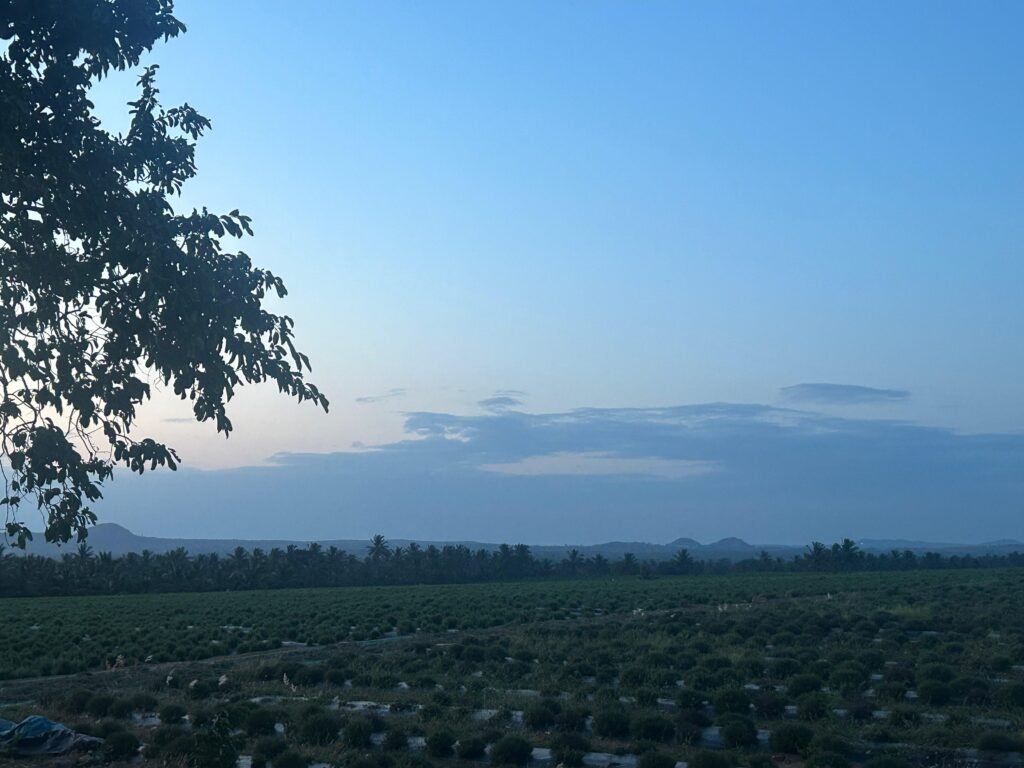
Meet the Farm:
Our Commitment
At Swastik Natural Oils, rosemary is not simply another product in our catalogue.
It is a crop we cultivate, observe, and manage throughout the year. Every harvest contributes to our understanding of the plant, and every commercial relationship helps us improve how we plan, communicate, and supply.
Our objective is not simply to sell rosemary leaves.
Our objective is to become a dependable long-term sourcing partner for businesses that value consistency, transparency, and practical farming experience.