
Blog
Dried Rosemary Supplier in India

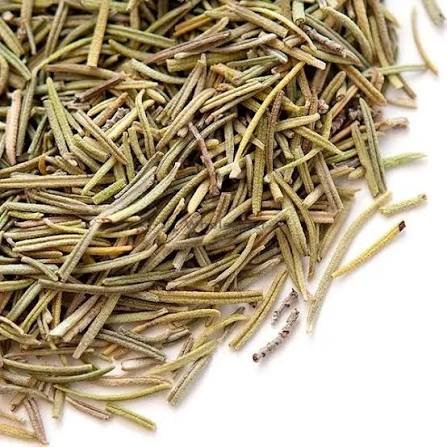
Food-Grade Rosemary for Commercial, Culinary & Herbal Applications
Whether rosemary is used in seasoning blends, herbal teas, ready-to-cook products, functional foods, or botanical formulations, its quality depends on much more than how it looks once dried.
The aroma, colour, essential oil content, moisture level, and cleanliness of dried rosemary are all influenced by decisions made long before the drying process begins. Cultivation practices, harvest timing, handling, drying conditions, and storage each contribute to the final product that reaches manufacturers.
For food businesses, consistency is often more valuable than a single exceptional batch. Manufacturers need rosemary that performs reliably across production cycles, while herbal brands require dependable aroma and appearance to maintain product quality.
At Swastik Natural Oils, we combine more than 25 years of experience with an extensive cultivation and sourcing network to supply dried rosemary for food manufacturers, seasoning companies, herbal tea brands, nutraceutical businesses, exporters, and industrial buyers across India.
Rather than simply supplying dried herbs, our objective is to build dependable long-term partnerships by delivering consistent quality, transparent sourcing, and reliable commercial supply.
If you’re new to rosemary as a commercial ingredient, begin with our Ultimate Guide to Rosemary in India, which explores cultivation, applications, and the industry’s value chain.
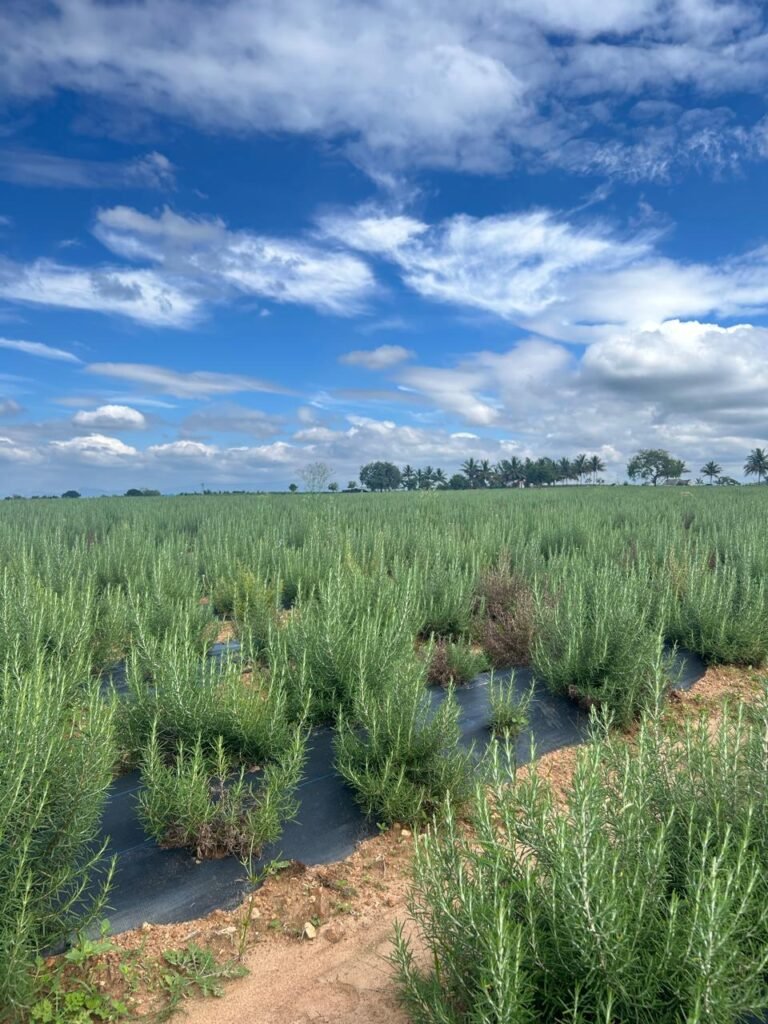
Key Takeaways
- Drying is only one step in producing high-quality rosemary.
- Harvest timing directly influences aroma and colour.
- Moisture content plays an important role in shelf life.
- Proper storage helps preserve quality after drying.
- Commercial buyers should evaluate consistency, not price alone.
- Food-grade rosemary requires disciplined handling throughout the supply chain.
Why Dried Rosemary Quality Matters
Dried rosemary is used across a wide range of commercial applications—from seasoning blends and bakery products to herbal teas, nutraceutical formulations, marinades, sauces, and functional food ingredients.
Food and Agriculture Organization (FAO)
Although dried rosemary appears to be a relatively simple agricultural product, maintaining consistent quality at commercial scale requires careful management throughout cultivation, harvesting, drying, storage, and packaging.
Variations in colour, aroma, leaf integrity, moisture levels, or foreign matter can influence manufacturing efficiency, product appearance, and customer expectations.
For businesses producing food and herbal products, choosing the right supplier therefore becomes an important part of maintaining product consistency.
From Farm to Finished Herb
The quality of dried rosemary is established long before the leaves enter a drying facility.
Healthy cultivation practices, planned harvesting schedules, careful handling, and efficient post-harvest processing all influence the finished herb.
Ministry of Agriculture & Farmers Welfare
Once harvested, rosemary begins losing moisture naturally. The objective of controlled drying is not simply to remove water—it is to preserve the plant’s characteristic aroma, appearance, and quality while improving storage stability.
Every stage contributes to the finished product.
| Stage | Objective |
|---|---|
| Cultivation | Produce healthy aromatic plants |
| Harvest Planning | Harvest at suitable maturity |
| Harvesting | Minimise physical damage |
| Cleaning | Remove unwanted material |
| Drying | Reduce moisture while preserving quality |
| Sorting | Improve consistency |
| Packaging | Protect during storage & transport |
Commercial buyers increasingly value suppliers who understand this complete process rather than only the final packaging stage.
Much of the final quality is influenced by cultivation. Explore our Rosemary Cultivation in India guide to understand the agricultural practices behind commercial rosemary production.
Swastik Farm Snapshot
| Parameter | Details |
| Industry Experience | 25+ Years |
| Annual Rosemary Production Capacity | 270–400 Tonnes |
| Farmer Network | Extensive Commercial Grower Network |
| Manufacturing Facility | FSSAI Licensed |
| Industries Served | Food, Herbal, Wellness, Cosmetics & Industrial |
| Supply Capability | Domestic & Export-Oriented Bulk Orders |
Buying Directly from a Supplier vs Through a Trader
Businesses purchasing dried rosemary often have two sourcing options—buying directly from a commercial supplier or purchasing through intermediaries.
Both approaches have their place, but they differ in terms of traceability, consistency, and long-term supply planning.
| Through a Trader | Direct Commercial Supplier |
| Product sourced from multiple suppliers | Better visibility into sourcing and processing |
| Batch consistency may vary | Greater emphasis on consistency |
| Limited production information | Better understanding of quality specifications |
| Availability depends on market | Planned commercial supply |
| Limited technical support | Better communication and documentation |
For manufacturers with recurring production schedules, working directly with an experienced supplier often simplifies procurement while improving consistency over time.
Swastik Insight
One of the most common assumptions in the dried herb industry is that drying itself determines quality. In practice, drying only preserves the characteristics already present in the harvested rosemary.
Healthy cultivation, appropriate harvest timing, careful handling, and disciplined drying work together to produce rosemary that meets commercial expectations. When one stage is overlooked, the effect can often be seen throughout the entire supply chain.
This is why we view drying as part of a complete quality system rather than an isolated processing step.
Field Insight from Mr. Dhiren Mehta
“In our experience, buyers rarely remember one excellent batch—they remember whether every shipment meets the same standard. Consistency comes from managing cultivation, harvest timing, drying, and storage together, not from relying on any single stage of processing.”
Manufacturers using rosemary for extraction may also find our guide on Rosemary Essential Oil Manufacturer in India useful for understanding steam distillation, GC/MS testing, and industrial quality standards.
How Dried Rosemary Is Produced
Drying rosemary is far more than simply removing moisture from freshly harvested plants. The objective is to preserve the herb’s natural aroma, colour, appearance, and essential oil content while improving its storage stability for commercial use.
The quality of the finished product depends on a combination of cultivation practices, harvest maturity, drying conditions, handling, and storage. Once the aromatic compounds begin to degrade, they cannot be restored later in the process.
For commercial manufacturers, successful drying is measured not only by moisture reduction but also by maintaining consistent quality across every batch.
The Drying Process
Although individual facilities may use different equipment, commercial rosemary drying generally follows a structured process.
| Stage | Purpose |
|---|---|
| Harvesting | Collect healthy rosemary at the appropriate maturity |
| Cleaning | Remove dust, unwanted material and damaged stems |
| Controlled Drying | Reduce moisture while preserving aroma and colour |
| Cooling | Prevent condensation before storage |
| Sorting | Improve uniformity and remove unsuitable material |
| Packaging | Protect the dried herb during storage and transportation |
Each stage contributes to the overall quality of the finished rosemary supplied to food manufacturers and industrial buyers.
Why Moisture Content Matters
Moisture is one of the most important quality parameters for dried rosemary.
If excessive moisture remains within the product, it may reduce storage stability and increase the likelihood of quality deterioration during transportation or warehousing. On the other hand, excessive drying can make rosemary brittle, resulting in unnecessary breakage and loss during handling.
Maintaining an appropriate moisture level helps preserve the herb’s aroma, appearance, and shelf stability while making it more suitable for commercial processing.
For procurement teams, moisture content is therefore not simply a laboratory figure—it is an important indicator of how well the product has been processed and stored.

Many of the same quality principles also influence essential oil production. Our Rosemary Essential Oil Manufacturer in India guide explains how harvest timing and processing affect rosemary oil quality.
What Defines Food-Grade Dried Rosemary?
Commercial food manufacturers evaluate rosemary using multiple quality parameters rather than appearance alone.
Important characteristics include:
Colour
Well-processed rosemary generally retains its characteristic green appearance. Significant browning or uneven colour may indicate poor handling or unsuitable drying conditions.
Aroma
The herb should retain its naturally fresh, herbaceous rosemary aroma. Weak or flat aroma can affect finished food products where rosemary contributes both flavour and fragrance.
Cleanliness
Commercial buyers generally expect rosemary to be free from excessive foreign matter, unwanted plant material, dust, or visible contamination.
Uniformity
Consistent leaf size and appearance simplify production for seasoning manufacturers, herbal tea companies, and food processors.
Storage Stability
Proper drying and packaging help rosemary maintain its commercial quality during storage and transportation.
Cut Sizes & Commercial Specifications
Different industries often require rosemary in different physical forms depending on the intended application.
| Product Form | Common Applications |
|---|---|
| Whole Leaves | Herbal teas, gourmet retail |
| Cut Leaves | Seasoning blends, food manufacturing |
| Crushed Rosemary | Marinades, spice mixes |
| Powder | Nutraceuticals, functional foods, herbal formulations |
Discussing the required cut size before procurement helps ensure the product aligns with manufacturing requirements.
Businesses sourcing larger quantities can explore our Bulk Rosemary Supplier in India guide for information on commercial packaging and procurement.
Maintaining Aroma During Storage
The characteristic aroma of rosemary comes from naturally occurring volatile compounds that gradually diminish when exposed to unsuitable storage conditions.
To help maintain product quality, commercial rosemary should generally be stored:
- In clean, dry conditions.
- Away from direct sunlight.
- In sealed packaging.
- Protected from excessive humidity.
- Away from strong odours that may affect the herb.
Good storage practices begin immediately after drying and continue throughout transportation, warehousing, and customer handling.
Commercial Buyer’s Checklist
Before selecting a dried rosemary supplier, consider asking the following questions:
✓ What moisture specifications can you provide?
✓ How is the rosemary dried?
✓ Is the product food-grade?
✓ Can technical specifications be shared?
✓ How is batch consistency maintained?
✓ What packaging options are available?
✓ Can you support regular commercial supply?
✓ How is traceability managed?
Asking these questions early helps buyers evaluate suppliers more effectively while reducing procurement risks.
Common Procurement Mistakes
Many procurement decisions focus primarily on price. While pricing is an important commercial consideration, overlooking quality parameters can create additional costs later in the manufacturing process.
Some of the most common mistakes include:
- Comparing suppliers only on price.
- Ignoring moisture specifications.
- Overlooking storage practices.
- Not requesting technical documentation.
- Assuming every dried rosemary product has identical quality.
- Failing to discuss packaging before dispatch.
- Choosing suppliers without evaluating long-term supply capability.
Successful procurement usually considers consistency, documentation, and supply reliability alongside commercial pricing.
Swastik Insight
One of the biggest misconceptions about dried herbs is that quality is determined at the drying stage alone.
In our experience, drying simply preserves the quality that already exists within the harvested rosemary. Cultivation, harvest timing, post-harvest handling, drying, sorting, packaging, and storage all work together to produce rosemary suitable for commercial food and herbal applications.
This systems-based approach is one of the reasons consistent supply is often more difficult than producing a single high-quality batch.
Field Insight from Mr. Dhiren Mehta
“Good drying begins long before the drying room. Healthy crops, timely harvesting, careful handling, and disciplined storage all influence the finished herb. When each stage is managed properly, manufacturers receive rosemary that performs consistently—not just once, but across every shipment.”
For a broader understanding of rosemary cultivation, applications, and commercial uses, visit our Ultimate Guide to Rosemary in India.
Industries That Use Dried Rosemary
Dried rosemary is valued across multiple industries because of its distinctive aroma, versatility, and compatibility with a wide range of formulations and food products.
At Swastik Natural Oils, we supply dried rosemary for businesses operating in sectors such as:
- Food and seasoning manufacturers
- Spice blending companies
- Herbal tea brands
- Nutraceutical manufacturers
- Ayurvedic and herbal product companies
- Ready-to-cook and convenience food manufacturers
- Gourmet food brands
- Hotels, restaurants, and catering (HoReCa)
- Export houses
- Ingredient distributors and wholesalers
Every industry has different expectations regarding cut size, packaging, consistency, and documentation. Understanding these requirements helps ensure the product integrates smoothly into existing manufacturing processes.
Packaging Options for Bulk Supply
Commercial buyers often require packaging that matches their production volumes, storage facilities, and logistics requirements.
We offer dried rosemary in multiple packaging configurations, including:
| Packaging Format | Typical Use |
|---|---|
| 500 g – 1 kg Food-Grade Pouches | Product development, R&D, and sampling |
| 5 kg Food-Grade Bags | Small-scale manufacturing |
| 10 kg Laminated Bags | Medium-volume production |
| 20–25 kg HDPE or Multiwall Paper Bags | Industrial manufacturing |
| Custom Bulk Packaging | OEM projects and export consignments |
Packaging can be discussed based on order quantity, handling preferences, and transportation requirements.
Quality Documentation & Technical Support
Commercial procurement often requires more than a product quotation.
Depending on customer requirements, we can support discussions around:
- Product specifications
- Moisture parameters
- Cut size preferences
- Packaging configurations
- Batch traceability
- Food-grade handling practices
- Commercial documentation for bulk orders
Providing clear technical information at the beginning of a project helps manufacturers evaluate suitability before production planning begins.
Supply Capability
Reliable supply is one of the most important considerations for manufacturers using rosemary as a regular ingredient.
With more than 25 years of industry experience, an annual rosemary production capacity of approximately 270–400 tonnes, and an extensive cultivation and sourcing network, Swastik Natural Oils supports businesses looking for dependable long-term procurement rather than occasional spot purchases.
Our focus is on building supply relationships that remain consistent across seasons and production cycles.
OEM & Private Label Supply
Some businesses require dried rosemary as an ingredient, while others need support for packaged retail or private label products.
For suitable commercial projects, we discuss:
- Bulk ingredient supply
- Private label packaging
- Custom pack sizes
- Retail-ready formats
- Long-term sourcing agreements
Every project begins by understanding the customer’s technical, packaging, and commercial requirements before recommending an appropriate supply approach.
Why Businesses Choose Swastik Natural Oils
Choosing a dried rosemary supplier involves more than comparing prices.
Manufacturers typically look for consistency, traceability, responsive communication, and the confidence that future shipments will meet the same standards as the first.
Businesses choose Swastik Natural Oils because we combine:
✓ More than 25 years of industry experience
✓ Annual rosemary production capacity of approximately 270–400 tonnes
✓ Extensive commercial grower network
✓ FSSAI-licensed manufacturing facility
✓ Food, herbal, wellness, and industrial supply experience
✓ Multiple commercial packaging options
✓ Transparent communication and technical support
✓ Long-term procurement-focused approach
Our objective is not simply to fulfil purchase orders, but to become a dependable sourcing partner that businesses can rely on as their production grows.
Frequently Asked Questions
Yes. We supply dried rosemary in bulk quantities suitable for food manufacturers, seasoning companies, herbal tea brands, nutraceutical businesses, wholesalers, and exporters.
Our dried rosemary is supplied for commercial food and herbal applications. Product specifications and handling information can be discussed based on customer requirements.
Yes. Our cultivation network and commercial production capability allow us to support businesses requiring regular long-term supply.
Depending on project requirements, rosemary may be supplied as whole leaves, cut leaves, crushed rosemary, or powder.
Yes. We work with businesses serving both domestic and international markets, subject to applicable commercial and regulatory requirements.
Looking for a Reliable Dried Rosemary Supplier in India?
Whether you’re developing a new seasoning blend, sourcing ingredients for herbal teas, expanding nutraceutical production, or looking for a dependable long-term supplier, selecting the right partner is an important commercial decision.
At Swastik Natural Oils, we combine cultivation expertise, disciplined processing, and commercial supply experience to help businesses source dried rosemary with confidence.
If you’d like to discuss packaging options, product specifications, sampling, or long-term procurement, our team would be happy to understand your requirements and explore how we can support your business.
One thought on “Dried Rosemary Supplier in India”