
Blog
Fresh Rosemary Supplier in India

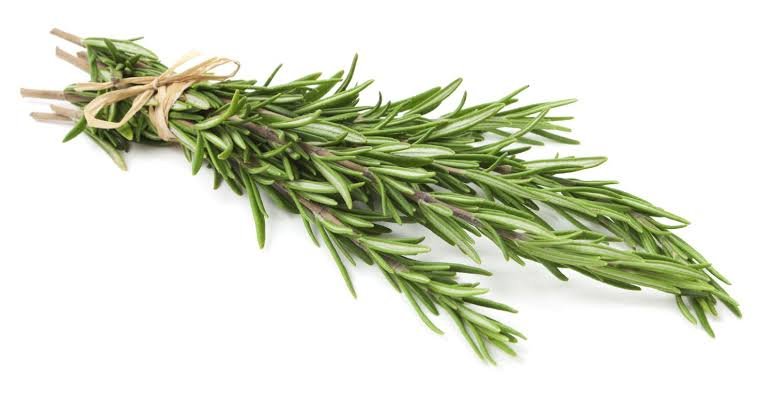
Farm-Fresh Rosemary for Culinary, Wellness & Commercial Applications
Fresh rosemary is valued for its vibrant aroma, natural appearance, and versatility across the food, wellness, and botanical industries. Whether it is destined for gourmet kitchens, seasoning manufacturers, herbal products, or essential oil distillation, the quality of fresh rosemary is determined long before it reaches the customer.
Healthy cultivation, careful harvest planning, responsible handling, and timely dispatch all play a role in preserving the herb’s freshness. Unlike dried herbs, fresh rosemary continues to change after harvest, making post-harvest management just as important as cultivation itself.
For commercial buyers, consistency means receiving rosemary that meets the same quality expectations throughout the year. Reliable supply, predictable quality, and transparent communication are often more valuable than sourcing based on price alone.
At Swastik Natural Oils, we combine more than 25 years of industry experience with an extensive cultivation and sourcing network to supply fresh rosemary for food manufacturers, restaurants, herbal brands, essential oil producers, exporters, and industrial buyers across India.
Our objective is not simply to deliver freshly harvested rosemary, but to support businesses with dependable commercial supply built on disciplined cultivation, organised harvesting, and efficient post-harvest handling.
If you’re exploring rosemary as an ingredient or crop, start with our Ultimate Guide to Rosemary in India, which explains cultivation, applications, and commercial opportunities.
Ministry of Agriculture & Farmers Welfare
Key Takeaways
- Freshness begins with cultivation—not transportation.
- Harvest timing influences aroma, appearance, and quality.
- Post-harvest handling is critical for maintaining freshness.
- Packaging and timely dispatch help reduce quality loss.
- Commercial buyers should evaluate consistency and supply capability alongside price.
- Fresh rosemary serves culinary, wellness, botanical, and industrial applications.
Why Fresh Rosemary Quality Matters
Fresh rosemary is used in a wide range of commercial applications, including culinary products, gourmet retail, herbal formulations, essential oil distillation, natural wellness products, and botanical research.
Because it is harvested as a living plant material, fresh rosemary is naturally more sensitive to handling and storage than dried herbs. Exposure to heat, physical damage, or unnecessary delays after harvest can gradually affect its appearance, aroma, and overall suitability for commercial use.
For businesses that depend on fresh herbs as an ingredient, selecting a supplier with organised harvesting and post-harvest practices helps support consistent product quality throughout the supply chain.
From Farm to Fresh Supply
Delivering fresh rosemary is not simply a matter of harvesting plants and arranging transport.
Every stage—from cultivation through dispatch—contributes to the quality received by the customer.
A structured commercial supply chain generally includes:
| Stage | Purpose |
|---|---|
| Cultivation | Produce healthy, aromatic rosemary plants |
| Crop Monitoring | Assess plant health and harvest readiness |
| Harvest Planning | Select the appropriate harvest stage |
| Harvesting | Minimise physical damage during cutting |
| Initial Sorting | Remove unsuitable material |
| Packaging | Protect freshness during handling and transport |
| Dispatch | Deliver efficiently to commercial buyers |
The objective is to preserve the natural characteristics of the rosemary while reducing unnecessary handling between harvest and delivery.
The harvesting process begins with healthy cultivation. Learn more in our Rosemary Cultivation in India guide.
Swastik Farm Snapshot
| Parameter | Details |
| Industry Experience | 25+ Years |
| Annual Rosemary Production Capacity | Approximately 270–400 Tonnes |
| Cultivation Network | Extensive Commercial Grower Network |
| Manufacturing Facility | FSSAI Licensed |
| Industries Served | Food, Herbal, Wellness, Cosmetics & Industrial |
| Commercial Supply | Domestic & Export-Oriented |
Buying Directly from a Grower vs Through a Trader
Businesses sourcing fresh rosemary generally purchase either through traders or directly from commercial growers and suppliers.
While both sourcing models have their place, they offer different levels of visibility, consistency, and supply planning.
| Through a Trader | Direct Commercial Supplier |
| Product may originate from multiple farms | Better visibility into cultivation and harvesting practices |
| Availability depends on market sourcing | Planned harvesting and commercial supply |
| Limited information on crop management | Better understanding of production practices |
| Batch quality may vary | Greater emphasis on consistency |
| Limited production planning | More predictable long-term supply |
Businesses requiring larger commercial volumes can also explore our Bulk Rosemary Supplier in India guide for procurement and long-term supply information.
For businesses using rosemary as a regular production ingredient, working directly with an experienced commercial supplier often simplifies procurement and improves consistency across future orders.
Swastik Insight
One of the most common misconceptions is that freshness depends only on how quickly rosemary is delivered after harvest.
In reality, freshness begins much earlier. Healthy cultivation, timely harvesting, careful handling, and appropriate packaging all influence how well rosemary retains its natural quality during transportation.
This is why successful commercial supply depends on managing the complete production journey rather than focusing solely on logistics.
Field Insight from Mr. Dhiren Mehta
“Fresh rosemary has only one opportunity to make a first impression. Once harvested, every decision—from handling in the field to packaging for dispatch—affects the quality the customer ultimately receives. Consistency comes from planning each of these stages carefully, not from rushing the process.”
If your application requires processed rosemary, you may also find our guides on Dried Rosemary Supplier in India and Rosemary Essential Oil Manufacturer in India useful.
Harvest Timing: Why It Makes a Difference
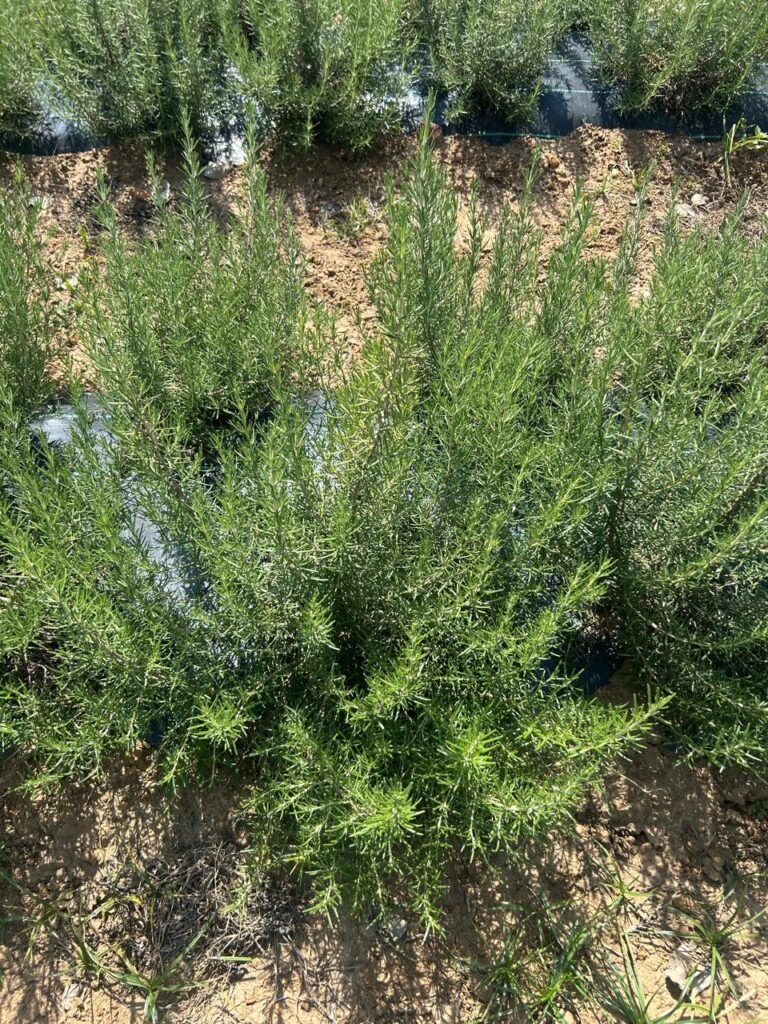
The quality of fresh rosemary begins with harvesting at the appropriate stage of plant development.
Plants harvested too early may not have developed their characteristic aroma and leaf structure, while overly mature plants can present different handling challenges depending on their intended application.
Commercial growers therefore plan harvesting based on crop maturity, customer requirements, seasonal conditions, and the final use of the rosemary—whether for culinary applications, herbal products, or essential oil distillation.
Harvest planning is not simply about selecting a date; it is about harvesting when the crop is best suited for its intended purpose.
Post-Harvest Handling
Once rosemary is harvested, maintaining quality becomes a race against time.
Fresh herbs naturally continue to respire after harvest, gradually losing moisture and freshness if not handled appropriately. Good post-harvest practices help minimise unnecessary quality loss before the product reaches the customer.
Typical post-harvest handling includes:
| Stage | Objective |
|---|---|
| Initial Inspection | Remove damaged or unsuitable material |
| Gentle Handling | Reduce bruising and leaf breakage |
| Sorting | Improve consistency and appearance |
| Packaging | Protect freshness during transport |
| Dispatch | Move product efficiently through the supply chain |
The goal is to preserve the rosemary’s natural aroma, colour, and visual appeal throughout the journey from farm to customer.
Maintaining Freshness During Transportation
Transportation plays an important role in preserving the quality of fresh rosemary.
Packaging, transit duration, handling practices, and environmental conditions all influence how well the herb maintains its freshness.
Commercial suppliers typically aim to:
- Minimise unnecessary handling.
- Reduce exposure to excessive heat.
- Protect the product from physical damage.
- Dispatch orders promptly after harvest.
- Use packaging appropriate for the destination and transit duration.
Well-managed transportation helps reduce quality variation while improving the customer’s receiving experience.
Understanding Shelf Life
Unlike dried rosemary, fresh rosemary is a naturally perishable agricultural product.
Its usable shelf life depends on several factors, including harvest condition, handling practices, storage temperature, packaging, and the intended application.
Rather than viewing shelf life as a fixed number of days, commercial buyers should consider it as the result of good cultivation, careful harvesting, appropriate storage, and efficient logistics working together.
Maintaining these conditions consistently helps maximise the usable life of the product after delivery.
What Commercial Buyers Should Inspect
Receiving fresh rosemary is not simply about checking weight or quantity.
Commercial buyers often evaluate several quality characteristics before accepting a shipment.
Appearance
Leaves should display a healthy, characteristic green colour without excessive yellowing or visible deterioration.
Aroma
Fresh rosemary should retain its naturally herbaceous, aromatic fragrance appropriate for its intended application.
Stem Condition
Stems should be reasonably firm and suitable for handling, with minimal unnecessary physical damage.
Cleanliness
The product should be free from excessive foreign matter, unwanted weeds, or visible contamination.
Uniformity
Consistent stem length, leaf quality, and overall presentation simplify production for commercial users.
Packaging Considerations
Packaging is designed to protect rosemary during transportation rather than simply contain it.
The choice of packaging depends on:
- Order quantity
- Transit distance
- Customer handling requirements
- Storage conditions
- Final application
Appropriate packaging helps reduce physical damage while supporting product quality throughout the supply chain.
Commercial Buyer’s Checklist
Before selecting a fresh rosemary supplier, consider discussing:
✓ Harvest schedule
✓ Product freshness
✓ Packaging options
✓ Supply frequency
✓ Batch consistency
✓ Commercial volumes available
✓ Dispatch timelines
✓ Traceability
These discussions help establish clear expectations before procurement begins.
Common Procurement Mistakes
Fresh herbs require different purchasing considerations than dried ingredients.
Some common procurement mistakes include:
- Comparing suppliers on price alone.
- Not discussing dispatch timelines.
- Ignoring packaging requirements.
- Overlooking harvest planning.
- Failing to communicate intended applications.
- Not evaluating long-term supply capability.
- Assuming every batch will perform identically without agreed specifications.
Taking a structured procurement approach helps reduce avoidable issues during production.
Swastik Insight
Fresh rosemary is often judged by how it looks on the day it arrives.
However, consistent quality is created much earlier through cultivation, harvest planning, post-harvest handling, and organised dispatch.
Businesses that source fresh herbs regularly often find that dependable production systems deliver greater long-term value than simply choosing the lowest quotation.
For a complete understanding of rosemary cultivation, harvesting, processing, and commercial applications, visit our Ultimate Guide to Rosemary in India.
Supply Capability
For businesses using fresh rosemary as a regular production ingredient, supply reliability is just as important as product quality.
Whether rosemary is required for culinary applications, herbal formulations, essential oil distillation, or industrial processing, manufacturers often look for suppliers who can maintain consistent availability across multiple production cycles.
With more than 25 years of industry experience, an annual rosemary production capacity of approximately 270–400 tonnes, and an extensive cultivation and sourcing network, Swastik Natural Oils supports commercial buyers seeking dependable long-term procurement.
Our objective is to build supply partnerships based on consistency, transparent communication, and an understanding of each customer’s operational requirements.
Industries We Serve
Fresh rosemary is used across a broad range of industries, each with unique quality specifications and handling requirements.
We supply fresh rosemary for businesses including:
- Food and seasoning manufacturers
- Hotels, restaurants, and catering (HoReCa)
- Gourmet retailers
- Herb distributors
- Herbal and Ayurvedic manufacturers
- Essential oil distillers
- Cosmetic and personal care manufacturers
- Nutraceutical companies
- Botanical research institutions
- Export houses
Different industries require different harvest stages, packaging formats, and delivery schedules. Understanding these requirements helps ensure the rosemary supplied is appropriate for its intended application.
Packaging Options
Packaging plays an important role in protecting fresh rosemary during handling, transportation, and storage.
Depending on customer requirements, fresh rosemary may be supplied in a variety of commercial packaging formats.
| Packaging Format | Typical Applications |
|---|---|
| 500 g – 1 kg Food-Grade Packs | Product development, culinary use, sampling |
| 5 kg Ventilated Food-Grade Cartons | Restaurants and specialty food businesses |
| 10 kg Commercial Cartons | Food manufacturers and herbal companies |
| Custom Bulk Packaging | Industrial buyers and export consignments |
Packaging recommendations are based on order quantity, destination, transportation method, and expected transit time.
Commercial Documentation & Technical Support
Commercial sourcing often requires more than product availability.
Depending on customer requirements, we can support discussions around:
- Product specifications
- Harvest stage preferences
- Packaging recommendations
- Batch traceability
- Commercial quotations
- Supply planning
- Dispatch schedules
- Bulk order requirements
Providing technical information early in the procurement process helps businesses evaluate suitability before production planning begins.
Long-Term Commercial Partnerships
Many businesses require rosemary throughout the year rather than for occasional purchases.
Our approach focuses on developing long-term supply relationships by understanding each customer’s production schedules, volume requirements, and quality expectations.
This enables better harvest planning, more predictable procurement, and improved communication throughout the supply process.
Why Businesses Choose Swastik Natural Oils
Choosing a fresh rosemary supplier is about more than receiving a shipment on time.
Manufacturers value suppliers who understand cultivation, harvest planning, post-harvest handling, packaging, and commercial logistics as parts of a single quality system.
Businesses choose Swastik Natural Oils because we offer:
✓ More than 25 years of industry experience
✓ Annual rosemary production capacity of approximately 270–400 tonnes
✓ Extensive commercial cultivation and sourcing network
✓ FSSAI-licensed facility
✓ Commercial supply for food, wellness, herbal, cosmetic, and industrial sectors
✓ Flexible packaging options
✓ Transparent communication and technical support
✓ Long-term procurement-focused approach
Our goal is to become a dependable sourcing partner that grows alongside our customers’ businesses.
Frequently Asked Questions
Yes. We supply fresh rosemary for commercial buyers, including food manufacturers, herbal companies, essential oil distillers, restaurants, wholesalers, and exporters.
Fresh rosemary is widely used in food manufacturing, gourmet retail, herbal products, essential oil distillation, cosmetics, wellness products, and botanical research.
Yes. Our cultivation network and production planning enable us to support businesses requiring regular supply throughout the year, subject to seasonal availability and customer requirements.
Looking for a Reliable Fresh Rosemary Supplier in India?
Choosing the right supplier involves more than comparing quotations. It requires confidence that the rosemary has been cultivated, harvested, handled, and delivered with the consistency needed for commercial use.
At Swastik Natural Oils, we combine cultivation expertise, organised harvesting, disciplined post-harvest handling, and dependable commercial supply to support businesses across the food, wellness, herbal, and industrial sectors.
Whether you’re looking for regular bulk supply, product specifications, sampling, packaging guidance, or long-term procurement support, we’d be pleased to understand your requirements and explore how we can support your business.
2 thoughts on “Fresh Rosemary Supplier in India”