
Blog
Dried vs Fresh Rosemary: Which One Is Right for Your Business?

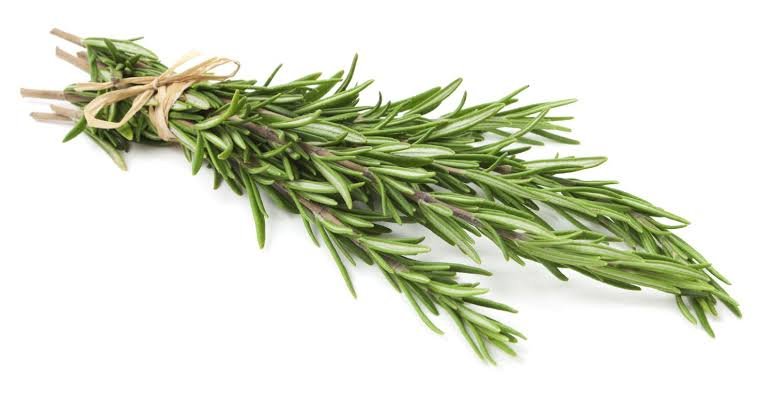
Fresh and dried rosemary come from the same plant, but they serve different commercial purposes. Fresh rosemary offers vibrant aroma, appearance and texture, making it ideal for restaurants, fresh retail and culinary presentation. Dried rosemary is more stable, easier to transport, stores for significantly longer and contains a concentrated level of naturally occurring antioxidant compounds, making it the preferred choice for food processors, spice manufacturers, extract producers and export buyers.
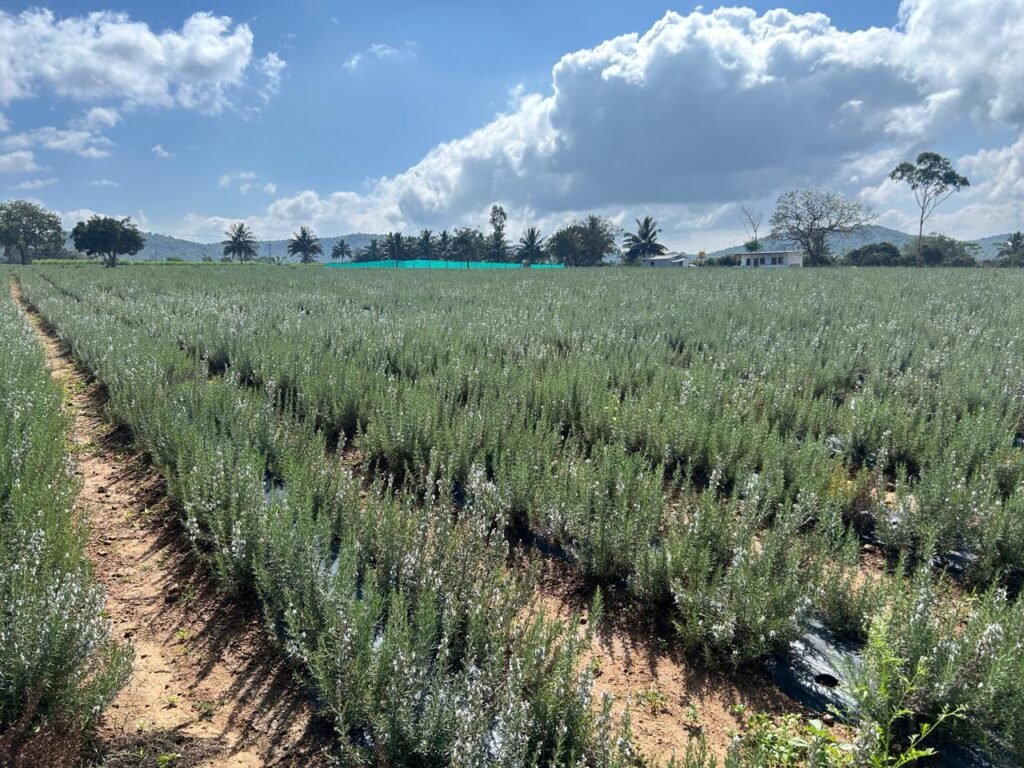
At Swastik Natural Oils, we cultivate rosemary in Talavadi, Tamil Nadu, where favourable growing conditions help produce aromatic rosemary with naturally high levels of valuable phytochemicals. After harvesting, selected batches are carefully shade dried to preserve colour, aroma and important compounds such as carnosic acid (approximately 3.0–3.3%), making them suitable for demanding commercial applications.
Read more: Dried vs Fresh Rosemary: Which One Is Right for Your Business?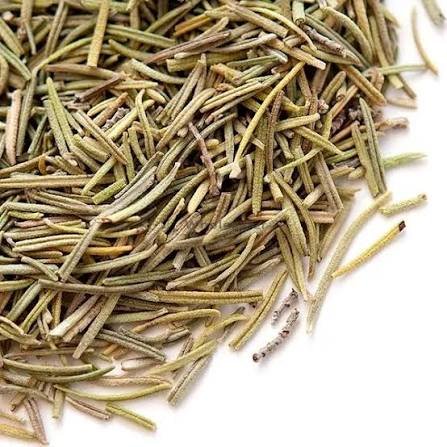
Fresh and Dried Rosemary Start the Same Way
Many buyers assume fresh and dried rosemary are completely different products. In reality, they begin their journey in exactly the same field.
Every batch starts as freshly harvested rosemary grown under identical cultivation practices. The difference comes after harvest.
Fresh rosemary is cleaned, graded and packed immediately before entering the cold chain.
Dried rosemary undergoes a carefully controlled drying process that removes moisture while preserving the leaf’s natural colour, aroma and antioxidant profile. Because water is removed, the remaining leaf becomes lighter, more stable and significantly more concentrated.
This simple change makes dried rosemary suitable for industries that require consistency, long shelf life and efficient transportation.
Fresh vs Dried Rosemary Comparison
| Parameter | Fresh Rosemary | Dried Rosemary |
|---|---|---|
| Shelf Life | 1–2 weeks under refrigeration | Up to 12 months in sealed storage |
| Moisture Content | High | Low |
| Aroma | Bright, fresh and herbaceous | Rich, concentrated and warm |
| Flavour Strength | Mild | Approximately three times stronger by weight |
| Carnosic Acid | Naturally present | Concentrated to approximately 3.0–3.3% through controlled drying |
| Storage | Refrigerated | Ambient storage |
| Transportation | Cold chain required | Easy domestic and international shipping |
| Best For | Restaurants, fresh retail, gourmet kitchens | Food manufacturing, spice blends, herbal tea, nutraceuticals, cosmetics, extraction and export |
| Cost Efficiency | Lower usable yield | Higher usable value per kilogram |
Understanding Carnosic Acid – Why It Matters
One of the most valuable naturally occurring compounds in rosemary is carnosic acid.
Although consumers rarely notice it, manufacturers actively look for it because it contributes significantly to rosemary’s antioxidant properties.
Carnosic acid is widely valued across several industries including:
- Natural food preservation
- Functional foods
- Nutraceutical ingredients
- Botanical extracts
- Cosmetic formulations
- Herbal products
Premium rosemary intended for commercial processing is often evaluated not only for appearance and aroma but also for its phytochemical profile.
Our carefully managed cultivation practices and controlled shade-drying process help preserve this antioxidant profile, with selected batches typically containing around 3.0–3.3% carnosic acid.
For commercial buyers, this represents greater value than simply purchasing leaves based on appearance alone.
Why Drying Actually Improves Commercial Value
People often assume drying reduces quality.
For rosemary, the opposite is often true.
Drying removes moisture while retaining much of the plant’s valuable aromatic compounds and antioxidants.
This creates several commercial advantages.
The product becomes:
- easier to store
- easier to transport
- more flavour concentrated
- less susceptible to spoilage
- suitable for international shipping
- more efficient for industrial processing
For manufacturers purchasing hundreds or thousands of kilograms annually, these advantages significantly reduce logistics costs while improving consistency.
Which Option Is Better for Export?
For international trade, dried rosemary is almost always the preferred choice.
Removing moisture provides several advantages:
- lower shipping weight
- reduced freight costs
- minimal spoilage during transit
- easier customs handling
- no cold-chain requirement
- longer warehouse storage
These advantages explain why the majority of global rosemary trade consists of dried rosemary rather than fresh herbs.
Frequently Asked Questions
They serve different purposes. Fresh rosemary is preferred for culinary presentation, while dried rosemary offers better shelf life, stronger flavour per gram and improved suitability for industrial processing and export.
Yes. Rosemary naturally contains carnosic acid, one of its primary antioxidant compounds. Carefully processed shade-dried rosemary can retain significant levels, with selected batches containing approximately 3.0–3.3% carnosic acid.
Its lower moisture content provides longer shelf life, easier transportation and reduced spoilage risk, making it the preferred format for international trade.
When carried out under controlled conditions, drying primarily removes moisture while preserving much of the plant’s aroma and antioxidant profile. Poor drying methods can reduce quality, which is why controlled shade drying is widely preferred for premium rosemary.
Yes. Swastik Natural Oils supplies both fresh and dried rosemary from the same cultivation programme, allowing buyers to source different product formats while maintaining consistent quality and traceability.
Looking for premium rosemary?
Contact our team for bulk pricing, technical specifications, samples and expert assistance in selecting the right rosemary grade for your application.

2 thoughts on “Dried vs Fresh Rosemary: Which One Is Right for Your Business?”