
Blog
Rosemary Oil vs Dried Rosemary Herb: Understanding the Difference

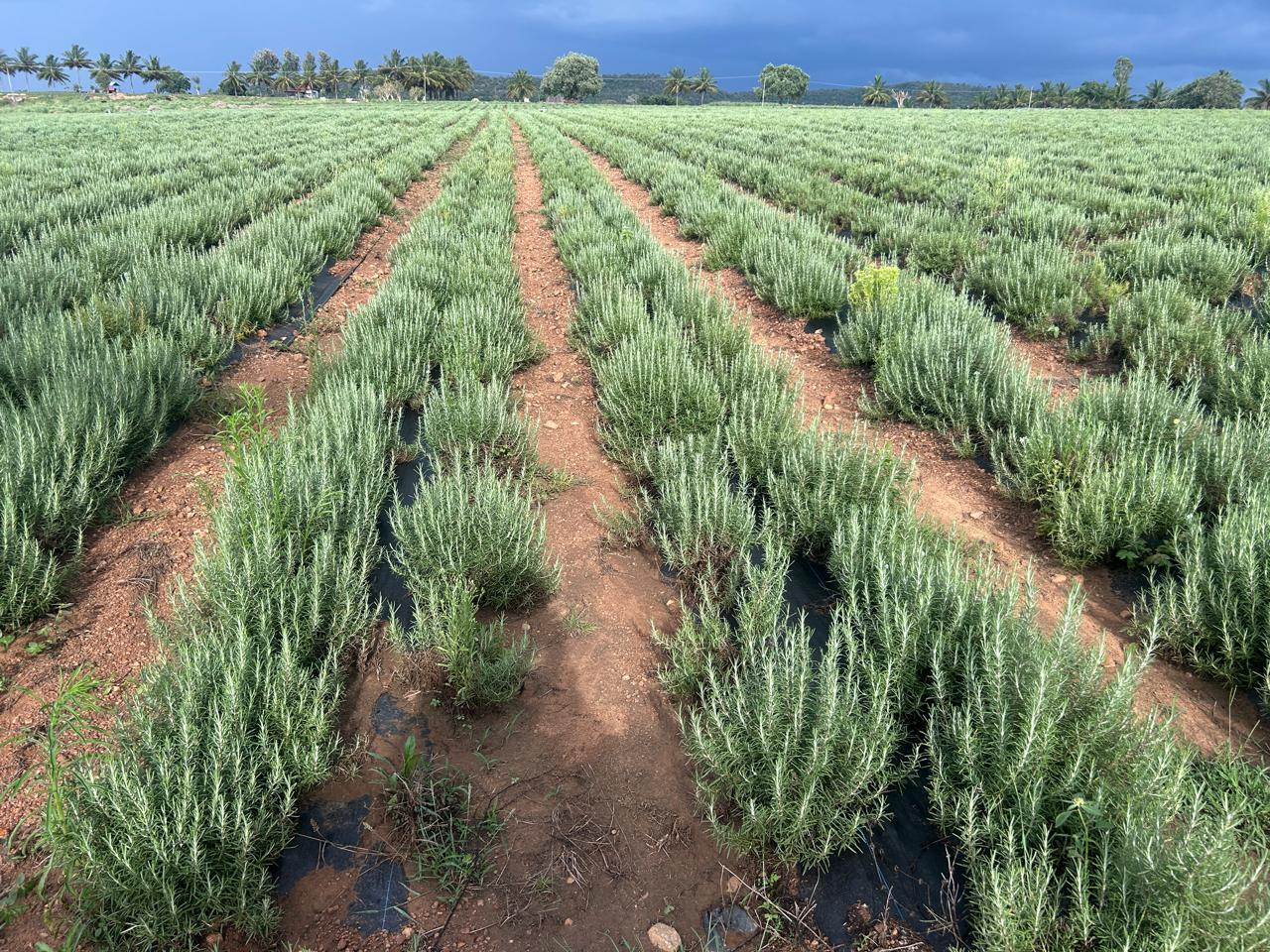
Although both products come from the same rosemary plant (Salvia rosmarinus), they are designed for completely different applications.
Dried rosemary herb is primarily used in food processing, spice blends, herbal products, nutraceuticals and botanical extraction because it retains the leaf’s natural structure and valuable antioxidant compounds.
Rosemary essential oil, on the other hand, is produced through steam distillation and contains concentrated volatile aromatic compounds, making it ideal for cosmetics, personal care, aromatherapy and pharmaceutical formulations.
The right choice depends on your industry, formulation and end application—not which product is “better.”
Comparison at a Glance
| Feature | Dried Rosemary Herb | Rosemary Essential Oil |
|---|---|---|
| Product Form | Whole or Cut Leaf | Concentrated Liquid |
| Processing Method | Harvested & Shade Dried | Steam Distilled |
| Main Applications | Food, Herbal Products, Nutraceuticals | Cosmetics, Hair Care, Aromatherapy |
| Sold By | Kilograms | Millilitres / Litres |
| Shelf Life | Up to 12 Months | 2–3 Years (Proper Storage) |
| Rich In | Carnosic Acid, Rosmarinic Acid, Natural Antioxidants | Volatile Aromatic Compounds |
| Typical Buyers | Food Manufacturers, Spice Companies, Exporters | Cosmetic Brands, Essential Oil Companies |
One Plant, Two Different Products
Dried rosemary is produced by carefully removing moisture from freshly harvested rosemary while preserving its natural aroma, colour and phytochemical profile.
Unlike fast, high-temperature drying methods, controlled shade drying helps maintain leaf integrity and supports the preservation of naturally occurring antioxidant compounds such as carnosic acid and rosmarinic acid.
Selected batches of our premium dried rosemary typically contain approximately 3.0–3.3% carnosic acid, making them suitable for food manufacturers, botanical extract producers and nutraceutical companies seeking high-quality rosemary raw material.
Dried rosemary is widely used in:
- Food Processing
- Spice Blends
- Seasonings
- Herbal Tea
- Nutraceutical Ingredients
- Botanical Extraction
- Functional Foods
- Export Markets
Learn why drying matters in our Dried vs Fresh Rosemary Guide →
What is Rosemary Essential Oil?
Rosemary essential oil is produced using steam distillation, where steam passes through freshly harvested or carefully prepared rosemary biomass to extract its volatile aromatic compounds.
The resulting essential oil is highly concentrated and valued for its characteristic herbal aroma, making it a popular ingredient in cosmetic, wellness and personal care products.
Because essential oil contains concentrated volatile compounds rather than the entire leaf, it serves a completely different purpose from dried rosemary.
It is commonly used in:
- Hair Oils
- Shampoos
- Scalp Care
- Aromatherapy
- Massage Oils
- Skincare Products
- Soaps
- Personal Care Formulations
- Pharmaceutical Applications
🎥 Watch Our Rosemary Extraction Process
Understanding the Difference
A common misconception is that rosemary essential oil is simply a stronger version of dried rosemary.
In reality, the two products contain different groups of naturally occurring compounds.
Dried rosemary retains the leaf’s fibre, structure and non-volatile antioxidant compounds, making it suitable for culinary applications and botanical extraction.
Rosemary essential oil contains concentrated volatile aromatic constituents obtained during steam distillation and is therefore better suited for fragrance, aromatherapy and cosmetic formulations.
Rather than competing products, they complement different industries.
Which Product is Right for Your Industry?
| Industry | Recommended Product |
|---|---|
| Food Processing | Dried Rosemary |
| Spice Manufacturers | Dried Rosemary |
| Seasoning Companies | Dried Rosemary |
| Herbal Tea Manufacturers | Dried Rosemary |
| Botanical Extract Companies | Premium Dried Rosemary |
| Nutraceutical Companies | Dried Rosemary |
| Cosmetic Manufacturers | Rosemary Essential Oil |
| Hair Care Brands | Rosemary Essential Oil |
| Aromatherapy Brands | Rosemary Essential Oil |
| Pharmaceutical Companies | Depends on Formulation |
| Export Houses | Both Products |
Why Farm-Direct Supply Matters
Many suppliers specialise in either dried herbs or essential oils.
At Swastik Natural Oils, we cultivate rosemary ourselves before processing it into multiple commercial products.
This integrated approach provides significant advantages:
- Better consistency between batches
- Reliable year-round availability
- Complete batch traceability
- Controlled harvesting
- Quality-focused processing
- Farm-direct sourcing without dependence on multiple suppliers
For manufacturers, exporters and ingredient companies, this translates into greater reliability and easier procurement.
More Than Just Aroma
Rosemary has gained worldwide recognition not only for its distinctive fragrance but also for its naturally occurring bioactive compounds.
Premium dried rosemary contains valuable phytochemicals including:
- Carnosic Acid
- Rosmarinic Acid
- Carnosol
- Natural Polyphenols
These compounds are increasingly valued across the food, nutraceutical and botanical extract industries because of their antioxidant properties.
Rosemary essential oil, meanwhile, is prized for its concentrated aromatic profile and is widely incorporated into cosmetic, personal care and wellness formulations.
Why Buyers Choose Swastik Natural Oils
Unlike companies that source rosemary from multiple farms, we manage cultivation and processing through a dedicated farm-direct programme.
Our commercial buyers benefit from:
✔ Farm-direct cultivation in Talavadi, Tamil Nadu
✔ Carefully managed harvesting programme
✔ Controlled shade drying
✔ Steam-distilled rosemary essential oil
✔ Approximately 3.0–3.3% Carnosic Acid (selected dried rosemary batches)
✔ Whole Leaf, Cut & Sift and Extraction Grade options
✔ Batch traceability
✔ Bulk domestic and export supply
✔ Technical support for commercial buyers
Technical Specifications
| Specification | Dried Rosemary | Rosemary Essential Oil |
|---|---|---|
| Botanical Name | Salvia rosmarinus | Salvia rosmarinus |
| Origin | Talavadi, Tamil Nadu, India | Talavadi, Tamil Nadu, India |
| Processing | Controlled Shade Drying | Steam Distillation |
| Available Forms | Whole Leaf, Cut & Sift | Pure Essential Oil |
| Primary Applications | Food, Herbal Products, Botanical Extraction | Cosmetics, Hair Care, Aromatherapy |
| Bulk Supply | Available | Available |
| Export Supply | Available | Available |
Request Pricing & Product Information
Whether you’re looking for premium dried rosemary, rosemary essential oil or both, our team can help you select the right product for your application.
Contact us for:
- Bulk pricing
- Product specifications
- Technical data sheets
- Available grades
- Sample requests
- Packaging options
- Export enquiries
- Lead times and product availability
Request a Bulk Quote
Speak with our team to discuss your sourcing requirements and receive pricing, technical specifications and expert guidance.
Frequently Asked Questions
Yes. Depending on the intended product specification, rosemary essential oil may be distilled from either fresh or dried rosemary biomass. The production method influences both yield and aromatic profile.
Dried rosemary naturally contains antioxidant compounds such as carnosic acid, rosmarinic acid and carnosol. Premium shade-dried rosemary can retain approximately 3.0–3.3% carnosic acid in selected batches.
For most food applications—including spice blends, seasonings, herbal products and botanical extraction—dried rosemary is the preferred choice.
Rosemary essential oil is commonly used in shampoos, hair oils, skincare products, massage oils and aromatherapy because of its concentrated aromatic profile.
Yes. Swastik Natural Oils supplies both products directly from our cultivation programme, allowing buyers to source multiple rosemary ingredients from a single trusted supplier.
One thought on “Rosemary Oil vs Dried Rosemary Herb: Understanding the Difference”